

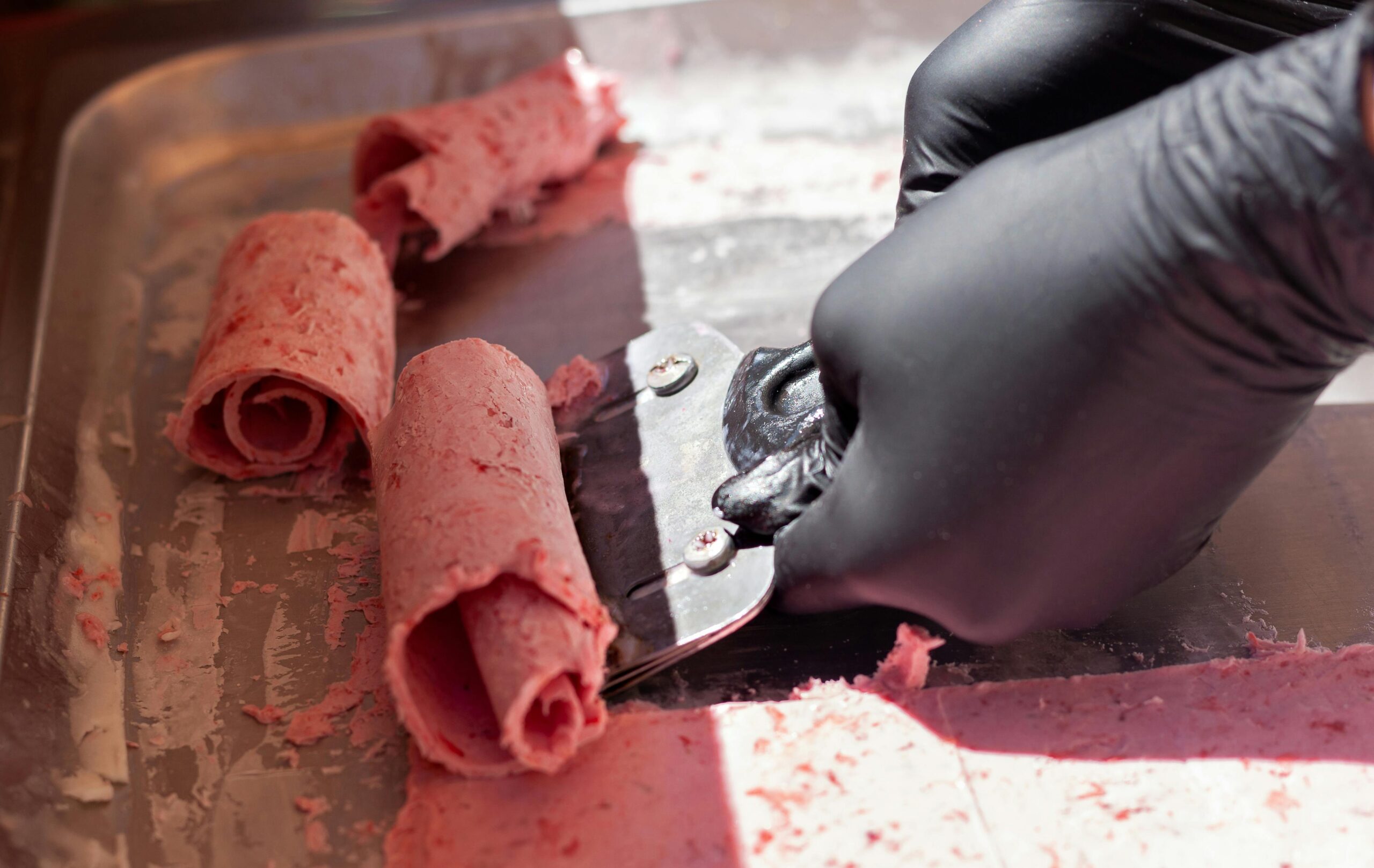
Icecream maker sales are soaring as home cooks and dessert lovers demand café-quality frozen treats without leaving their kitchens. Choosing the right icecream maker can be the difference between creamy, dreamy results and an expensive, noisy disappointment. This realistic, data-backed guide will help you match machine technology—compressor, frozen-bowl, or multi-use models—to your exact needs for homemade gelato, sorbet, and ice cream at home.
Key Takeaways
- The global home-use icecream maker market is growing quickly, driven by demand for premium homemade desserts and at-home appliance trends [market research (2025)].
- Compressor machines deliver superior texture and speed but often at higher cost and greater weight; frozen-bowl and countertop alternatives offer value with key tradeoffs.
- User pain points include high upfront prices, cleaning complexity, noise, and durability—focus on testable specs and real frustrations for long-term satisfaction.
- Quick TL;DR — market context and why now
- Who should buy an ice cream maker for home — use-case decision guide
- Compressor vs frozen-bowl vs gelato-specialty machines — side-by-side comparison
- Top recurring frustrations buyers report (real user pain points)
- What to expect on cost, capacity, noise, and prep time by machine type
- Data-backed performance metrics buyers should use when comparing models
- Which models (types) consistently perform best — buyer shortlist and why
- Ninja Creami: common user highlights, limits, and top alternatives
- How to evaluate durability and long-term ownership costs (maintenance checklist)
- Regional considerations — which markets and features matter by region
- Emerging trends and innovations to watch (next 12–24 months)
- Top 3 content gaps to fill (what page-one competitors miss)
- Buyer checklist & 10-point purchase guide (call-to-action)
- FAQs to include on the page
Quick TL;DR — market context and why now
The global home-use icecream maker market was valued at roughly $3.8 billion in 2025 and is projected to reach about $6.4 billion by 2034, implying a compound annual growth rate of ≈5.9%. Rising demand comes from “premiumization,” interest in smart home appliances, and viral at-home dessert trends. North America remains the largest market, while Asia-Pacific is fastest-growing as more urban households want to customize frozen desserts to dietary or taste preferences (market research (2025)). Whether for real gelato, low-sugar ice cream, or plant-based sorbet, the right machine is now a countertop statement for dessert enthusiasts.
Who should buy an ice cream maker for home — use‑case decision guide
Not every home ice cream maker or homemade gelato machine is right for every household. The biggest adoption is among:
- Occasional treat-makers (ice cream once or twice a month): Frozen-bowl or affordable countertop models fit best.
- Frequent hosts or entertainers: Compressor ice cream makers suit those who want back-to-back batches and reliable results.
- Health-conscious DIYers: Look for machines with accurate temperature control that handle low-sugar, vegan, or dairy-free bases.
- Gelato purists: Machines with gelato-specific settings or slow churning (sometimes standalone homemade gelato machines) are ideal.
The household-application slice accounted for ≈43% of 2025 revenue and is expanding at roughly 6.3% CAGR (market research (2025)). If you prize convenience, smooth texture, and frequent use, pay particular attention to machine technology and performance metrics below.
Compressor vs frozen‑bowl vs gelato‑specialty machines — side‑by‑side comparison
Choosing the right home ice cream maker means understanding core technologies:
- Compressor ice cream maker: Cools with an internal compressor; no pre-freezing; ready on demand.
- Frozen-bowl models: Require pre-freezing bowl 12–24 hours in advance.
- Homemade gelato machine: Often slow churn for denser, smoother gelato; sometimes compressor-based.
- Countertop alternatives (like Ninja Creami): Use pre-frozen containers with a blending/spinning process.
| Feature | Compressor | Frozen-Bowl | Gelato-Specialty | Countertop (e.g., Ninja Creami) |
|---|---|---|---|---|
| Speed | 20–30 min | 45–60 min (+12–24 hr pre-freeze) | 45–60 min | 5–7 min spin after 24+ hr pre-freeze |
| Texture | Creamier, finer ice crystals | Good if bowl is cold; can be grainy | Densest, best for gelato | Variable, often more “blended” texture |
| Batch Capacity | 1–2 qt/batch; multiple batches possible | ~1.5 qt, 1 batch per freeze | 1–2 qt | 0.5–1 pt per container |
| Prep Time | Minimal | Long (pre-freeze) | Long | Must freeze solution 24+ hrs |
| Maintenance | Regular cleaning, some sealed parts | Simple cleaning | Similar to compressor | Easy but more plastic parts |
| Noise | 70–80 dB (vacuum cleaner volume) | 50–60 dB | 60–70 dB | Depends — often loud when spinning |
| Upfront Cost | $$$–$$$$ | $–$$ | $$$–$$$$ | $$ |
| Durability | Good, but compressor wear possible | Simple, few things to break | Good, similar to compressor | Plastic, may not last years |
Compressor-based machines … produce smoother, creamier results in shorter cycles (typically 20–30 minutes versus 45–60 minutes for freezer-bowl models). [market research (2025)]
Top recurring frustrations buyers report (real user pain points)
No “best ice cream maker” is flawless. Most frequent pain points are the high upfront price of premium compressor units, the complexity of operation—including the need to pre-freeze bowls for non-compressor models, precise ingredient ratios, and frequent cleaning—excessive noise, inconsistent texture, limited batch-size, and durability concerns such as motor or compressor wear. These complaints appear consistently across verified buyer reviews and forums. The “just blend and go” promise is often spoiled by awkward parts, overflow from tightly-filled bowls, and messy post-churn cleanup (Wirecutter, 2026).
For a full breakdown on appliance maintenance, see our guide to air fryer reviews 2026, where similar themes of cleaning hassles and noise levels recur.
What to expect on cost, capacity, noise, and prep time by machine type
The most practical expectation with any ice cream maker for home is how much real-world friction you’re willing to accept:
- Compressor ice cream maker: Highest upfront cost, but delivers speed and convenience. You can churn multiple batches back to back. Prep time is limited to recipe mixing. Units can be heavy and moderately loud, and use more electricity.
- Frozen-bowl models: Least expensive, smallest and easiest to store, but require freezer space and advance planning—no spontaneous ice cream nights.
- Gelato-focused machines: May overlap with high-end compressor models, often with custom slower churning cycles for dense, low-overrun gelato textures.
Compressor-based machines differentiate themselves by eliminating the pre-freeze step … delivering continuously low-temperature freezing … typically 20–30 minutes versus 45–60 minutes for freezer-bowl models (market research (2025)).
For comparison: our induction burner guide sets realistic expectations for appliance noise and daily usability in small or open kitchens.
Data-backed performance metrics buyers should use when comparing models
Don’t get distracted by manufacturer marketing. The best ice cream maker for you is the one that excels on these objective, testable metrics:
- Batch speed: Measure actual churn-to-finish time.
- Texture consistency/ice-crystal size: Compare mouthfeel and absence of icy grains batch after batch.
- Durability indicators: Look for user reports of motor or compressor failures, not just “it works great new.”
- Energy use: Compressor models may add $5–15/year to your bill, freezer-bowl types far less.
- Noise dB: If you have kids, pets, or open kitchen/living plans, measure machine dB at 1 meter during use.
- Usable capacity: Not all machines can be filled to max line—real capacity may be 80–90% of claimed.
Compressor machines … score higher on texture and convenience but still draw criticism for noise levels and the effort required to clean the sealed bowl and dasher assemblies (market research (2025)).
Tip: Create a test batch using your “weakest” recipe (low fat, non-dairy, or heavy mix-ins). If a machine passes this, it’s a strong contender for lasting satisfaction.
For appliance testing best practices, check our induction cookware buying guide.
Which models (types) consistently perform best — buyer shortlist and why
To build a reliable shortlist, match your must-have features to proven performers in user and lab tests:
- Best ice cream maker – compressor pick: Breville’s Smart Scoop is one of the best ice cream machines for back-to-back performance and advanced features. The built-in compressor keeps the bowl at a consistent temperature and has presets for gelato, sorbet, and ice cream. It scores extremely high on user tests for both texture and durability (market research (2025)).
- Best frozen-bowl (budget pick): Cuisinart ICE series offers solid reliability for most home cooks who don’t mind planning ahead.
- Best multi-use alternative: Ninja Creami or similar “spin” machines suit experimenters, though have trade-offs in texture and batch size.
Always filter reviews by long-term (18+ month) ownership. Loud noise and inconsistent results are common dealbreakers that emerge over time, even in famous brands.
Curious how Ninja Creami stacks up? Dive into our Ninja Creami review for hands-on results.
Ninja Creami: common user highlights, limits, and top alternatives
Ninja Creami exploded in popularity for its viral “spin store-bought-protein-shake into ice cream” trick. It’s affordable, fits easily on a shelf, and works well for portion-controlled or experimental batches. But user complaints center on small capacity, the need to freeze mixtures 24+ hours before spinning, and results that can be icy or over-churned if not careful.
Noise can be considerable, and heavy reliance on hard plastics means uncertain long-term durability. If you want fast back-to-back batches, denser gelato texture, or quieter operation, consider compressor-based home ice cream makers—or, for best soft serve, explore retro soft-serve models.
SharkNinja’s 2024 revenue reached USD 5.53 billion, a 30% leap credited to ice-cream makers and blenders that tap viral at-home beverage trends (market research (2025)).
Want more healthy recipes you can make at home? Don’t miss our latest Ninja Creami Swirl review.
How to evaluate durability and long‑term ownership costs (maintenance checklist)
Durability and actual cost-of-ownership matter as much as the machine you choose. Compressor ice cream makers require more regular servicing: keep vents and fans dust-free, listen for changes in compressor volume (higher pitch or “clunk” is a wear sign), and avoid running back-to-back cycles without cooling. For all types, inspect dasher gears and bowl seals for cracks every few months.
- Upfront price — compressors are 2-4x that of “bowl” models.
- Replacement parts — check if replacement bowls or dashers are easy to order.
- Electricity use — compressors add minimal but real annual energy cost.
- Cleaning time — bowls with few crevices save hours of cleaning per season.
- Warranty/service network — especially important for compressors.
Durability concerns such as motor or compressor wear are a top recurring complaint and reason for buyer caution (market research (2025)).
For similar lessons on long-term appliance costs, see our guide on induction stove price and running costs.
Regional considerations — which markets and features matter by region
Regional household adoption for home ice cream maker appliances varies by:
- North America: Largest market, premiumization, and a growing focus on smart integration.
- Europe: Space constraints drive compact models; gelato popularity influences specific features.
- Asia Pacific: Fastest-growing market, with household adoption climbing from about 12% of households in 2023 to an estimated 15–16% by 2026 in mature markets and to ≈20% in key Asia‑Pacific urban centers.
- Voltage/shipping note: Make sure to check voltage compatibility (110v vs 220v) when ordering internationally—damage risk is real.
See more on appliance regionalization in the comprehensive market analysis.
Emerging trends and innovations to watch (next 12–24 months)
The home ice cream maker market is poised for a wave of smart, connected, and AI-optimized appliances in 2026–2027. Watch for:
- AI-driven texture optimization: Machines will adapt freezing and churning to your chosen recipe.
- Quieter compressors: New designs target sub-60 dB operation, a major user request.
- Multi-function counters: Blender + creamer combos bring more dessert and drink options in one appliance.
- Premium homemade gelato machine launches: Designed for dense, scoop-shop style gelato at home.
- Demand signals: Google Trends shows fast growth for “Ninja Creami alternative” and “gelato machine home.”
Future growth will be shaped by smart connected machines, AI-driven texture optimization, automated freezing algorithms, and compressor advances enabling quieter, more efficient operation (market research (2025)).
Top 3 content gaps to fill (what page‑one competitors miss)
- Real-world, data-driven testing protocol: Most “best ice cream maker” rankings lack repeatable, at-home batch testing with multiple recipe types and test metrics (batch speed, noise, texture consistently measured).
- Ownership cost modeling by type: Page one rarely models long-term costs (cleaning hours, energy use, typical replacement part cycles, likely lifespan differences across compressor and bowl machines).
- Region-specific buying guidance: Few guides help users pick based on available countertop space, voltage, or local service/replacement part access. This is a missed opportunity, especially for readers outside North America looking for a Ninja Creami alternative or best ice cream maker options.
Pain points to address: Most frequent pain points are … high upfront price … pre-freeze bowls … cleaning … inconsistent texture … limited batch-size … durability concerns (market research (2025)).
Buyer checklist & 10‑point purchase guide (call-to-action)
- Decide how often you’ll use your icecream maker
- Choose size: 1–2 quarts fits most homes; larger if serving many guests
- Compressor vs bowl: Pick compressor for on-demand use, bowl for budget
- Noise tolerance: Check decibel ratings if sound bothers you
- Cleaning: Fewer angles and movable parts save labor
- Check warranty: Compressors should offer at least 1 year, 2+ is better
- Replacement part availability: Can you buy a new bowl or paddle easily?
- Local service: Are service centers available in your country/region?
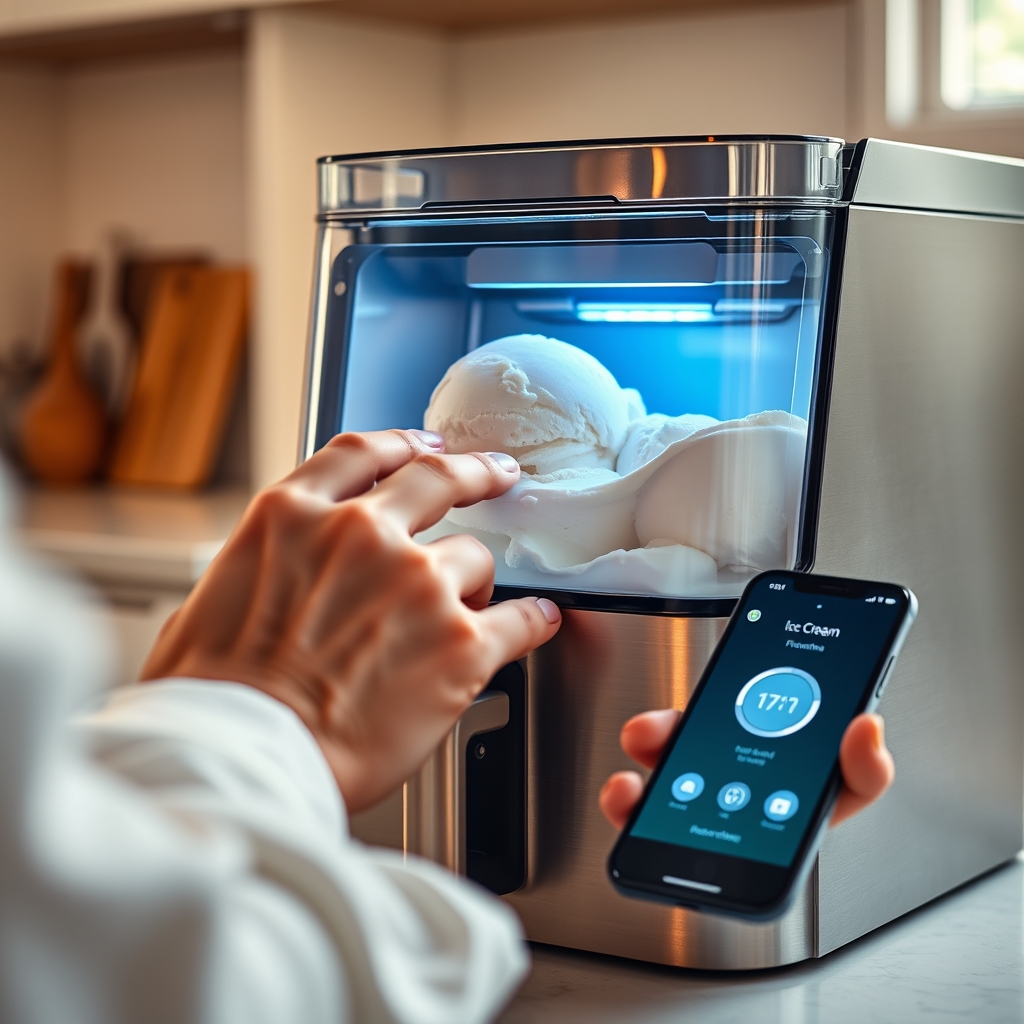
- Smart features: Consider only if you want app control or multi-functionality
- Set a budget, including for power and occasional repairs
Compressor-based machines … eliminate the pre-freeze step … but carry higher upfront price and noise concerns. (market research (2025))
For more appliance tips, see our popular air fryer buying guide 2026 and induction stove buying guide.

FAQs to include on the page
Is a compressor icecream maker really worth it for home use?
If you make frozen desserts several times a month or want instant churning with superior texture, compressor icecream makers are a smart investment. For once-a-month or less, a frozen-bowl or countertop model may suffice.
How long do I need to pre-freeze the bowl for non-compressor models?
Most require 12–24 hours at a freezer temperature below 0°F/-18°C. Forgetting this step is a top complaint. Compressor machines … typically 20–30 minutes versus 45–60 minutes for freezer-bowl models, with no pre-freeze (market research (2025)).
Are energy costs significant for compressor models?
No. Typical use adds less than $20 a year to your power bill, but check your local rates and frequency of use. Always unplug when not in use for safety and efficiency.
Can I make gelato, soft serve, or vegan ice cream in any machine?
Most home ice cream makers can churn a wide spectrum of bases. For homemade gelato machine options, look for slow churning and overrun/texture controls. Soft serve requires dedicated models for best results. Vegan and protein recipes often need fine-tuning.
What’s the best Ninja Creami alternative?
Consider compressor ice cream makers or high-capacity frozen-bowl models for faster back-to-back batches, superior texture, and lower noise. See table above and our countertop induction tips for similar appliance shopping strategies.
—