

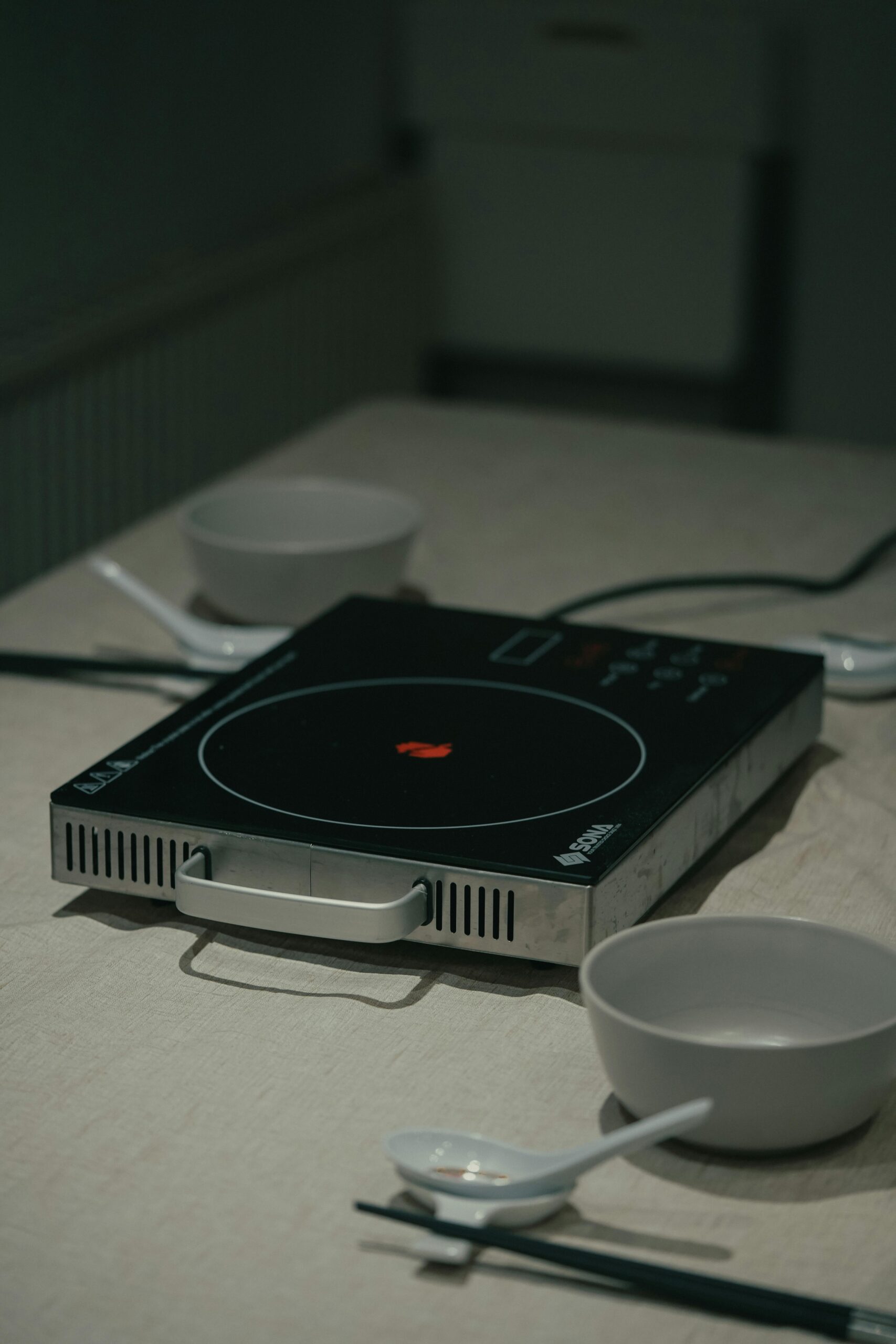
Induction burner sales are booming—and for good reason. If you’re renting, have a tiny kitchen, or want a backup to your big stove, picking the right portable induction cooktop can make weeknight meals, apartment life, and entertaining easier. But most “best-of” lists skip over the real problems that actually matter: will your pans work, is it noisy, and will it conk out in a year? We break it all down for you with actionable buying tips, real user frustrations, and model picks for every budget.
Key Takeaways
- Portable induction burner sales are exploding, especially with renters, small spaces, and as affordable backup options.
- Buyers often run into noise, fragile glass tops, and cookware incompatibility—use our realism-based checklist to avoid the most common headaches.
- Models under $150 offer the best value, but knowing exactly which features matter (and which to skip) is critical for durability and performance.
- Why a portable induction burner is often the best choice for small kitchens and rentals
- Quick market snapshot — global and U.S. size, CAGR, and adoption trends that matter to buyers
- Who should (and shouldn’t) buy a countertop single induction burner
- Top real‑world frustrations buyers report (and how to avoid them)
- Performance vs. hot plates and electric coil burners — what buyers need to know
- Price ranges in 2024 and which features are standard vs premium
- Safety considerations and the most common technical failures in small‑kitchen use
- 3 important sub‑topics page‑one competitors under‑address (and content angles that win)
- Short buying checklist + 5 model features that matter most for small kitchens
- Quick FAQs buyers search for now
- Closing: What to buy next — 3 practical recommendations for Amy (budget, mid, premium)
Why a portable induction burner is often the best choice for small kitchens and rentals
If you’re in a tiny apartment, city rental, or dorm, a portable induction burner solves kitchen challenges that a gas or bulky electric stove just can’t. In tight spaces without gas hookups—or where landlord rules ban open flames—a portable induction cooktop gives you a safe, compact, and fast way to cook real meals. These units are slim, can tuck away in a drawer, and heat up your food much faster than typical coil or hot plate options. You’ll also save energy, since induction heats the pan directly without wasting electricity heating up the air or burner.
According to recent market research, the portable single-burner induction segment is growing at about 22–23 percent every year, driven by renters, students, and anyone in a small space. What’s more, these burners are rising fast because they work well as backup cookers for power outages or when you just need that extra “zone” for guests or batch cooking.
Quick market snapshot — global and U.S. size, CAGR, and adoption trends that matter to buyers
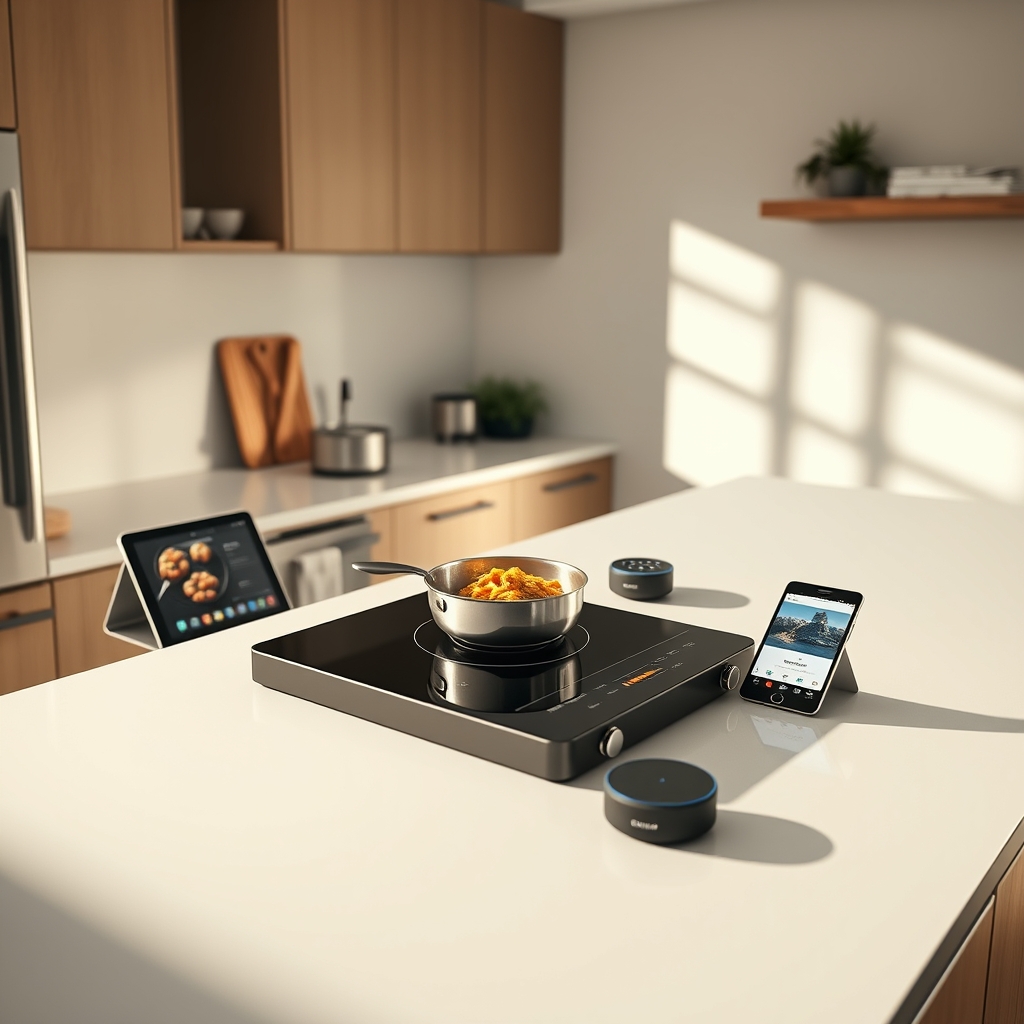
The induction cooking market is mainstream and still expanding quickly. Global sales hit about USD 22.5 billion in 2024 and will jump close to USD 29.9 billion by 2026—roughly 9 to 11 percent annual growth. The U.S. market alone represents around 15 to 16 percent of that global total, valued at about USD 3.4 billion. Household units (versus commercial) made up about 72 percent of global sales in 2024. Portable induction cooktops, especially the single-burner type, are the fastest-growing segment of the market, outpacing even built-in stoves as small-space living and electrification take off in urban areas.
(See Industry Research report and Verified Market Reports.)
Bottom line: if you’re buying now, you’ll find more choices, better technology, and better prices than ever before.
Who should (and shouldn’t) buy a countertop single induction burner
If you’re renting, living in a small apartment, or need a second burner for an RV, studio, or home office, a countertop induction burner is a top pick. They work well for students, anyone with limited space, or those who want a backup option in case their main stove is on the fritz. Condo owners who want a temporary, flexible cooking solution love them, too.
Who shouldn’t buy? If your cookware is mostly aluminum, copper, glass, or non-magnetic stainless, you’ll be frustrated—induction requires magnetic pans. If you need the exact control of a visible gas flame or do lots of high-heat wok cooking, you may also find induction’s learning curve (and quirks) limiting. Even in the fastest-growing portable burner segment (under $150, up ~22 percent CAGR), knowing your needs up-front stops wasted money and returns.
Curious about choosing the right pan? Check our induction compatible cookware for straight answers.
Top real‑world frustrations buyers report (and how to avoid them)
Why do so many buyers regret their first cheap induction burner? Here’s what real users complain about in reviews and on forums:
- Audible humming or buzzing: A soft to loud buzzing noise is normal—some find it annoying, especially on higher power settings. (“It sounds like a tiny fridge running under my pan!” says one user.)
- Cookware compatibility issues: Induction ONLY works with ferrous (magnetic) pans. Aluminum, copper, glass, or some stainless pans won’t work—your burner will beep or just shut off. Double-check your pots here.
- Fragile glass-ceramic tops and short lifespan: The most affordable models scratch, crack, or stop working with little force. Spills or small drops can ruin the cooktop—buy a small silicone mat or opt for units with a reinforced top if you can.
- Temperature and auto-shutoff quirks: Some burners cut power aggressively or cycle on/off to hold low temperatures. Holding a coffee at “warm” can mean frustrating restarts or inconsistent simmering.
How to avoid these issues:
- Bring a magnet to test cookware before buying or use only induction-compatible cookware.
- Pick a unit that offers stepless (not just preset) power control for smoother temperature adjustment (ideally 200–1800W).
- Consider a small silicone mat for the glass top and check whether the brand offers an extended warranty.
- Read user reviews for repeated complaints around noisy fans, fragile construction, or surprise shutdowns.
Induction isn’t perfect, but a little research helps avoid the most common pitfalls. Want more tips? See our complete induction burner buying guide for step-by-step troubleshooting.
Performance vs. hot plates and electric coil burners — what buyers need to know
Induction burners are popular because they boil water and heat food faster than hot plates or antique coil burners. They’re also much more energy efficient, because the burner heats the pan directly, not the air or surface. But there are some trade-offs to know:
| Feature | Induction Burner | Hot Plate/Electric Coil |
|---|---|---|
| Boil Speed | ~2 min (for 1L) | ~4-6 min (for 1L) |
| Temperature Control | Fast, responsive May struggle on lowest settings |
Slow to change Steadier at low heat |
| Energy Efficiency | High (~75-90%) | Low (~40-50%) |
| Safety (No Open Flame) | ✅ | ✅ |
| Cookware Requirements | Magnetic pans only | Any pan works |
| Noise Level | Low fan/humming Varies by model |
Silent |
Market research and buyer reports (CZC Kitchen Research) make it clear: for speed and energy saving, induction leads, but cookware and low-heat quirks cause headaches for some. Still deciding between a hot plate and induction? See our induction burner vs hot plate guide for a hands-on comparison.
Price ranges in 2024 and which features are standard vs premium
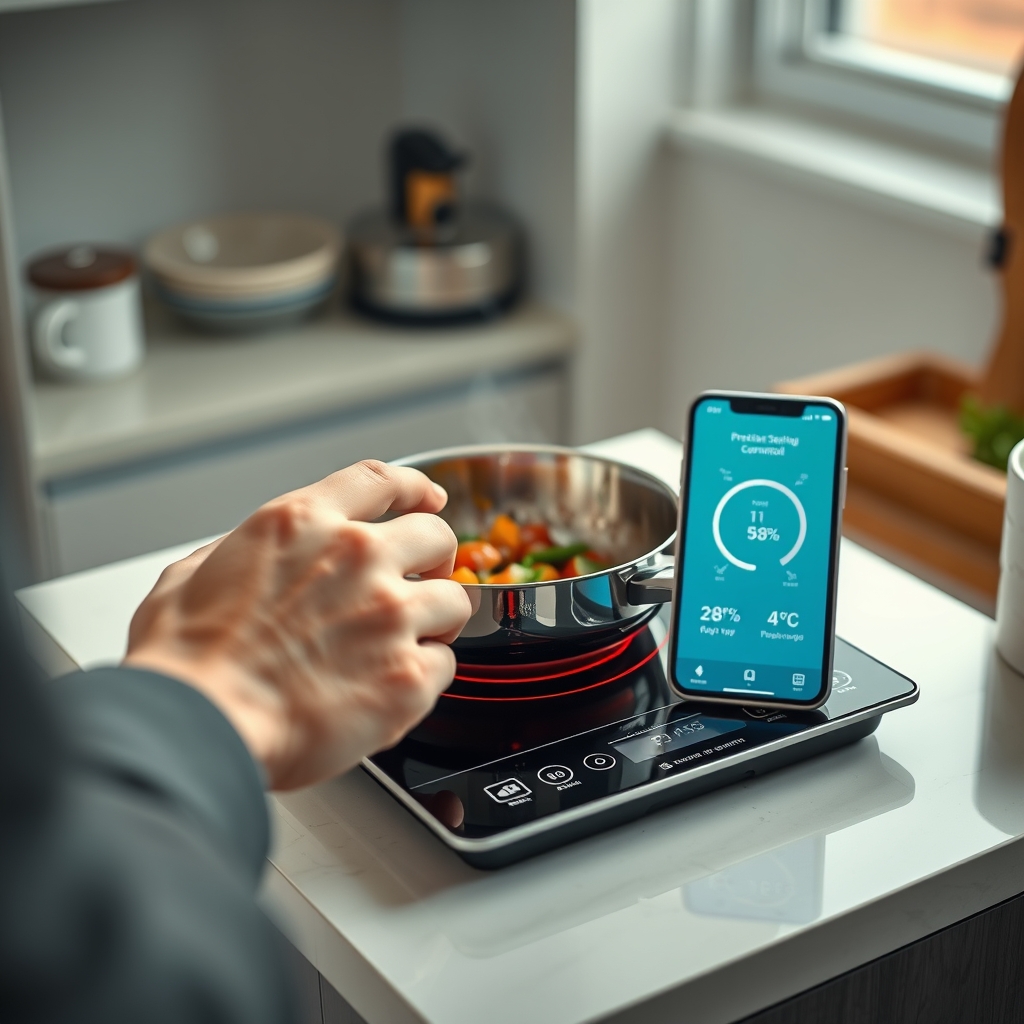
Single and countertop induction burners run the gamut from $40 bargain models to $250+ premium setups:
- Standard Range ($40–$150): Basic power settings (usually 8-10 levels), pan detection, simple timer, compact design. Glass top may be thinner, warranty 1 year or less.
- Midrange ($150–$250): Stepless digital wattage control (for finer temperature), reliable pan detection, better low simmer, more durable glass top, longer warranty (2+ years), sometimes child lock.
- Premium ($250+): Ultimate precision control, smart features, dual voltage for travel, extended warranty (3+ years), reinforced glass, more presets (like for specific foods), and robust build for heavy daily use.
Recent market data confirms that portable single-burner units under $150 are the fastest-growing segment, but if durability or control matter most to you, going up a tier may save you headaches. For comparison, see our induction stove vs gas stove breakdown for total cost of ownership insights.
Safety considerations and the most common technical failures in small‑kitchen use
Induction is safer than gas or coils, but comes with its own quirks:
- Pan Detection: If a pan is removed—even for just two seconds—the burner often shuts off automatically. Non-magnetic pans trigger error beeps or won’t heat.
- Overheating Protection: Some units will turn off if the fan is blocked or the air vents are covered. Make sure to give at least 4 inches of space around the unit.
- Unplanned Shutdowns: Often caused by mismatched pans or using oversized (or too-tiny) cookware. Some users report “my burner shuts off after 10 seconds!”—usually due to being too close to the edge or incorrect pan type.
- EMI (Electromagnetic Interference): Induction cookers can interfere with certain pacemakers or sensitive electronics if placed nearby. If you use a medical implant, check with your doctor before use.
How to reduce risks and avoid technical failures:
- Test all your pans with a fridge magnet; only use those that stick firmly.
- Keep vents clear and never run the burner while covered or tucked in a drawer.
- Check the manual for minimum and maximum pan size specs.
- Look for models with continuous or “duty cycle” ratings if you plan to cook for hours at a time.
- Pay attention to diagnostic lights; red or flashing lights usually mean pan or temperature issues.
For more practical safety advice, visit our
portable induction cooker for small kitchen guide.
3 important sub‑topics page‑one competitors under‑address (and content angles that win)
Most review lists miss these critical buyer needs—don’t make the same mistake:
- Warranty length and serviceability: Many induction burners only carry 1-year coverage, and repairs can be difficult. Look for units with at least 2 years warranty and check for a North American customer service number. The hassle of returns and RMAs shows up often in negative reviews (“My unit died in 14 months, out of warranty, no parts available,” sums up the frustration.)
- Electromagnetic interference (EMI): If you or visitors have a pacemaker or medical implant, induction cookers create a strong magnetic field that may impact these devices. Check the manufacturer’s manual, and never place sensitive electronics within a foot of the base.
- Real portability for travel and RV use: Not all units can handle varying voltages and many lack mounting holes. If you cook in an RV or move a lot, get a model with dual voltage or reinforced feet—otherwise, one hard stop and your cooktop may be out of commission. Look for compact footprints if space is at a premium.
For cookware worries (the #1 source of buyer complaints), see our pans for induction cooktop guide.
Short buying checklist + 5 model features that matter most for small kitchens
- Wattage range: Look for 1200–1800W. Too low is slow; higher gives flexibility.
- Pan detection sensitivity: Burner should detect your pan instantly and hold power steadily.
- Size/height: Measure your space—many models stand 2 to 3 inches tall and may not fit tight drawers.
- Control type: Stepless or digital variable wattage (not just low/med/high presets) gives the most accurate heat.
- Warranty/service: Prioritize at least 1-year coverage, ideally 2+ years with responsive customer service.
Red flags: No wattage spec, no readout for pan detection or temperature, multiple reviews of shutoffs or glass breakage.
Want more features? See our best induction burner review tips and air fryer reviews 2026 for smart multi-appliance setups.

Quick FAQs buyers search for now
Will my aluminum pan work on an induction burner?
No. Induction burners only work with magnetic pans. Try a fridge magnet—if it sticks to the bottom, your pan will work. Otherwise, use an induction interface disc.
Are induction burners safe for dorm rooms or small apartments?
Yes. They’re safer than hot plates since there’s no open flame, and many have automatic shutoff. Always check your housing rules and use only on stable, ventilated surfaces.
Which portable induction cooktop is best for constant simmering?
Look for models with variable stepless control or at least ten power levels. Budget models often cycle too aggressively at low settings, so go midrange or higher if simmer control is critical.
Can I use an induction burner in an RV or when traveling internationally?
Yes, but check voltage compatibility (110V/220V). Choose a model with dual voltage, and use secure mounting if traveling on the road.
What can I do if my induction burner makes a loud buzzing sound?
Buzzing is common, especially on high. Reduce noise by using heavier pans, running at slightly lower wattage, or choosing a low-noise model. Units with brushless fans tend to be quieter.
Closing: What to buy next — 3 practical recommendations for Amy (budget, mid, premium)
Ready to shop? Here’s how to choose the best induction burner for your circumstances:
- Budget (<$150): Perfect for students, renters, or backup use. Expect basic power controls, auto shutoff, and a slim footprint. Dealbreaker: If your pans aren’t magnetic or the glass feels flimsy, look at the next tier. (This is the fastest-growing market slice, according to market research.)
- Midrange ($150–$250): Better for everyday use. You’ll get stepless controls, stronger glass, and 2+ years warranty. Dealbreaker: Look for detailed wattage specs and consistently good user reviews on shutdown/temperature control.
- Premium (>$250): Full-featured for frequent cooks or semi-permanent use. Expect top-notch simmering, voltage flexibility, and serious durability. Dealbreaker: If you see only one-year warranty and thin glass, skip it—there’s better available for the price.
Bottom line: The induction burner is an essential upgrade for small kitchens, rentals, or as an extra zone for busy home cooks. Choose smart, check your pans, and you’ll love how fast and efficient daily meals become. Ready to find your perfect model? Explore our expanded induction burner reviews and get cooking today.