

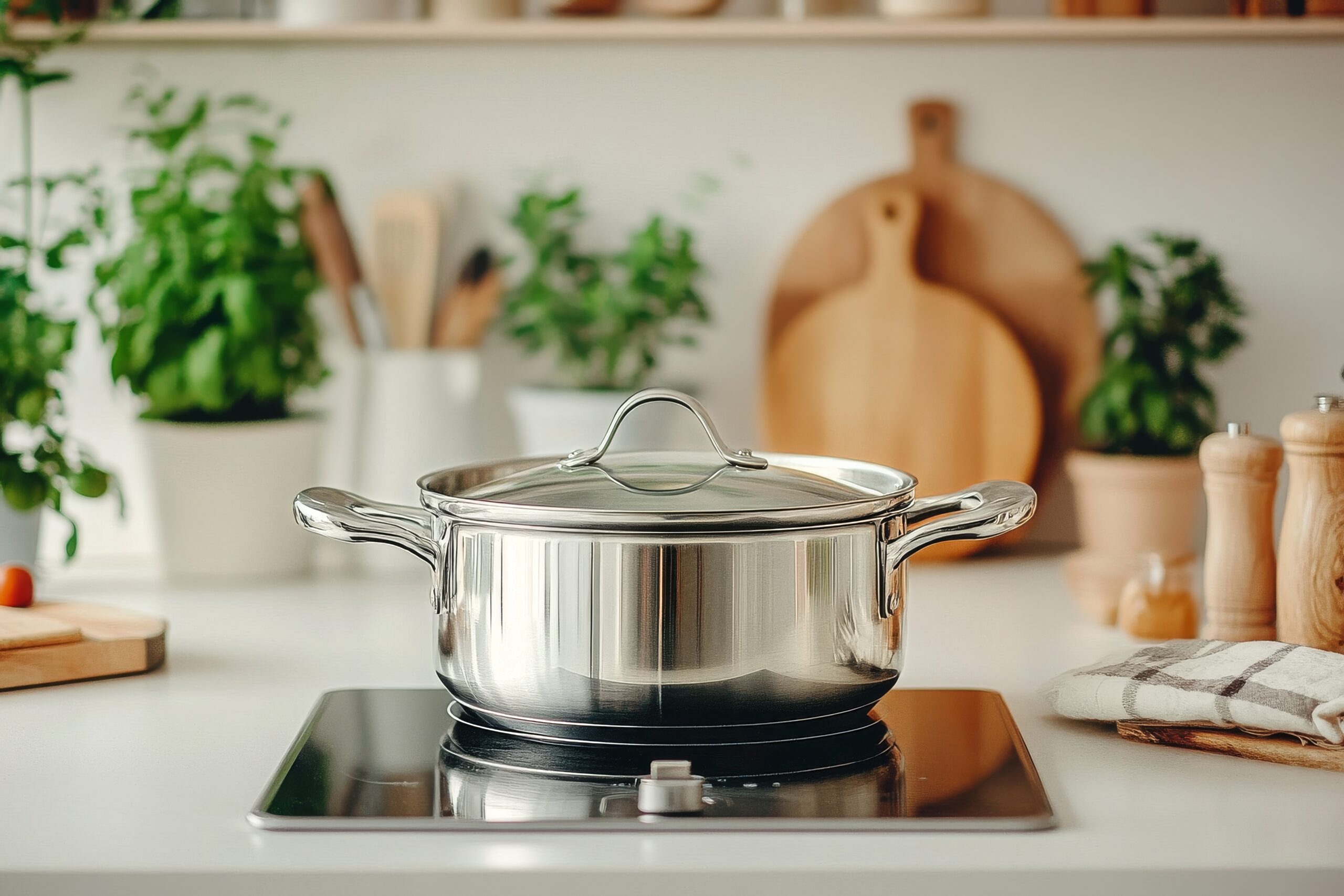
Cookware for induction is quickly becoming the top must-have for home cooks who want real performance and long-lasting value from every pan. If you want efficiency, lifespan, and reliability from your next cookware set, you’re in the right place—learn how to buy once, cook better, and avoid the pitfalls that waste your time and money.
Key Takeaways
- Investing in the right cookware for induction saves you from early replacement, costly mistakes, and uneven cooking.
- Look for multi-layer magnetic stainless or cast iron for 5–10 years of reliable use—avoid single-layer or non-magnetic alloys that warp in 1–2 years.
- Use simple magnet tests, check the base build, and read durability data before you buy—see our easy checklist below.
- Market Snapshot — Why Induction Cookware Matters Now
- How Induction-Compatible Cookware Differs From Conventional Pans (Real Implications)
- Top Consumer Frustrations (What Reviewers and Forums Complain About Most)
- Durability & Performance — What Lab and Long-Term Tests Reveal
- Pricing Guidance — How Price Varies by Material, Brand and Features (2024 Retail Reality)
- Must‑Check Technical Specs and Minimums Before Buying
- Smart Induction Cookware & Features to Consider (Are They Worth It?)
- Best Picks by Use Case and Budget (Practical Shortlist + Reason)
- Simple Compatibility & Performance Tests to Run at Home (Before/After Purchase)
- Search Trends & Top Consumer Questions to Answer on the Page (90‑Day Pulse)
- Three Content Gaps Competitors Miss (So This Page Ranks and Converts)
- Actionable Buying Checklist & Quick Decision Flow (Printable Summary)
- FAQ
Market Snapshot — Why Induction Cookware Matters Now
The demand for induction compatible cookware is surging worldwide, driven by the adoption of induction hobs in new and modernized kitchens. In 2024, the global induction-compatible cookware market hit approximately US $2.72 billion and is projected to exceed US $3 billion by 2026, with a growth rate near 7.3% year-on-year. North America alone claims nearly US $1 billion, while APAC leads the pace, crossing 40% induction adoption in new installs, thanks to energy-efficiency incentives and smart-kitchen trends. Notably, pans for induction cooktop use form about 40% of all such cookware sales, underscoring the real-world need for quality and compatibility (Source, Source).
How Induction-Compatible Cookware Differs From Conventional Pans (Real Implications)
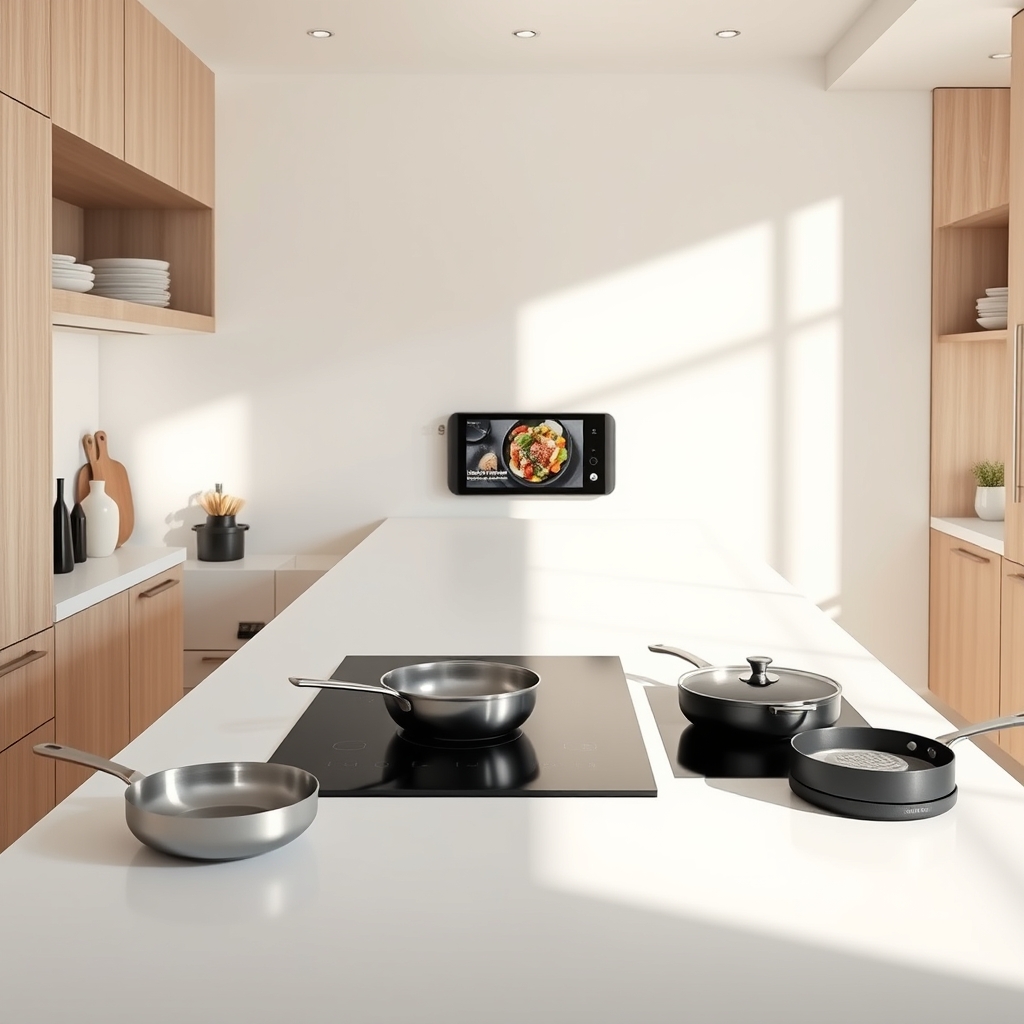
Unlike gas or standard electric cooking, induction uses electromagnetic energy to generate heat directly inside the pan’s base. Only cookware for induction with a ferromagnetic base (magnetic stainless, cast iron) works—aluminum or copper alone won’t cut it. Multi-layer base construction is key: the best cookware for induction hob performance uses layers of magnetic stainless and aluminum for speed and even heat, while cast iron delivers exceptional retention for searing and braising. Laboratory tests show that pans for induction cooktop use (magnetic stainless and cast iron models) reach even heat distribution within ±5%, meaning fewer hot spots and consistent results (Source).
Top Consumer Frustrations (What Reviewers and Forums Complain About Most)
Consumer reviews and cooking forums paint a clear picture of recurring problems. The main complaints about induction compatible cookware include:
- Uneven or “hot-spot” heating, especially with thin or poorly constructed pans.
- Warping after repeated heating, often within the first 1–2 years—especially single-layer or budget sets.
- Pans that claim to be “induction ready” but fail the magnet test or don’t trigger the cooktop.
- Non-stick coatings degrading or flaking off after about 2–3 years of regular use.
- Handles that loosen, twist, or get hot during use, making safe handling tough.
Real buyers say things like, “My pan warped after a few months on high heat,” and “Non-stick coating started peeling before year two.” Return and warranty policies vary, so check them before you purchase. For a more in-depth analysis, see our induction cookware buying guide for troubleshooting tips and solutions.
Durability & Performance — What Lab and Long-Term Tests Reveal
Long-term lab tests put the best cookware for induction hob in a class above generic pans. Multi-layer magnetic stainless and cast iron consistently achieve even heat (within ±5% variation across the surface), excellent retention, and reliable searing—even after years of steady use. Well-constructed pieces last 5–10 years, making them a solid investment.
By contrast, single-layer alloys (cheap stainless or aluminum) often warp after a year or two and lose efficient contact with the induction surface. Non-stick-coated pans typically maintain performance for 2–3 years, with many users reporting the need for earlier replacement. High-quality induction sets almost always offer better warping resistance and warranty coverage—don’t buy before checking lab data or real-owner longevity reviews.
If you need more guidance on performance benchmarks or material choices, our induction burner buying guide gives side-by-side comparisons.
Pricing Guidance — How Price Varies by Material, Brand, and Features (2024 Retail Reality)
Prices for best induction cookware sets range widely—expect $40–$70 per pan in value brands, and $120–$300+ for premium sets. Most reputable multi-layer magnetic stainless or cast iron products come with a higher price due to construction quality, oven-safe features, and brand warranty. Features that command a premium include bonded aluminum cores for heat spread, induction-optimized flat bases, dishwasher safety, and “smart cookware” elements such as temperature sensing. Pans account for about 40% of total market share, leading to a huge spectrum of options. Compare this pricing strategy to air fryer shopping for additional price-value analysis.
Rule of thumb: If the cookware for induction claims a multi-layer magnetic build and brings a 5+ year warranty, it’s worth investing for long-term performance and lower lifecycle cost.
Must‑Check Technical Specs and Minimums Before Buying
Before you buy, run through this quick induction cookware buying guide checklist:
- Test with a fridge magnet—base should grab firmly, confirming magnetic compatibility.
- Look for multi-layer or “tri-ply”/“five-ply” base construction for even heating and strength.
- Check for a bonded aluminum or copper core sandwiched between magnetic stainless/cast iron layers.
- Measure base diameter—it should match your induction zone for optimal efficiency.
- Ensure handles are riveted (not just spot-welded), stay cool, and feel comfortable in grip.
- Oven-safe rating of 400°F/200°C+ is critical for versatility.
- Dishwasher policy—some premium sets protect finish and warranty only with hand washing.
- Confirm at least a 2-5 year warranty on construction/handles; non-stick surfaces typically max at 2-3 years’ coverage.
Data shows multi-layer magnetic stainless or cast iron consistently outperform for induction—expect 5–10 years’ lifespan with even, reliable heating (Source). For more technical minimums, see our full breakdown in the induction stove buyer’s guide.
Smart Induction Cookware & Features to Consider (Are They Worth It?)
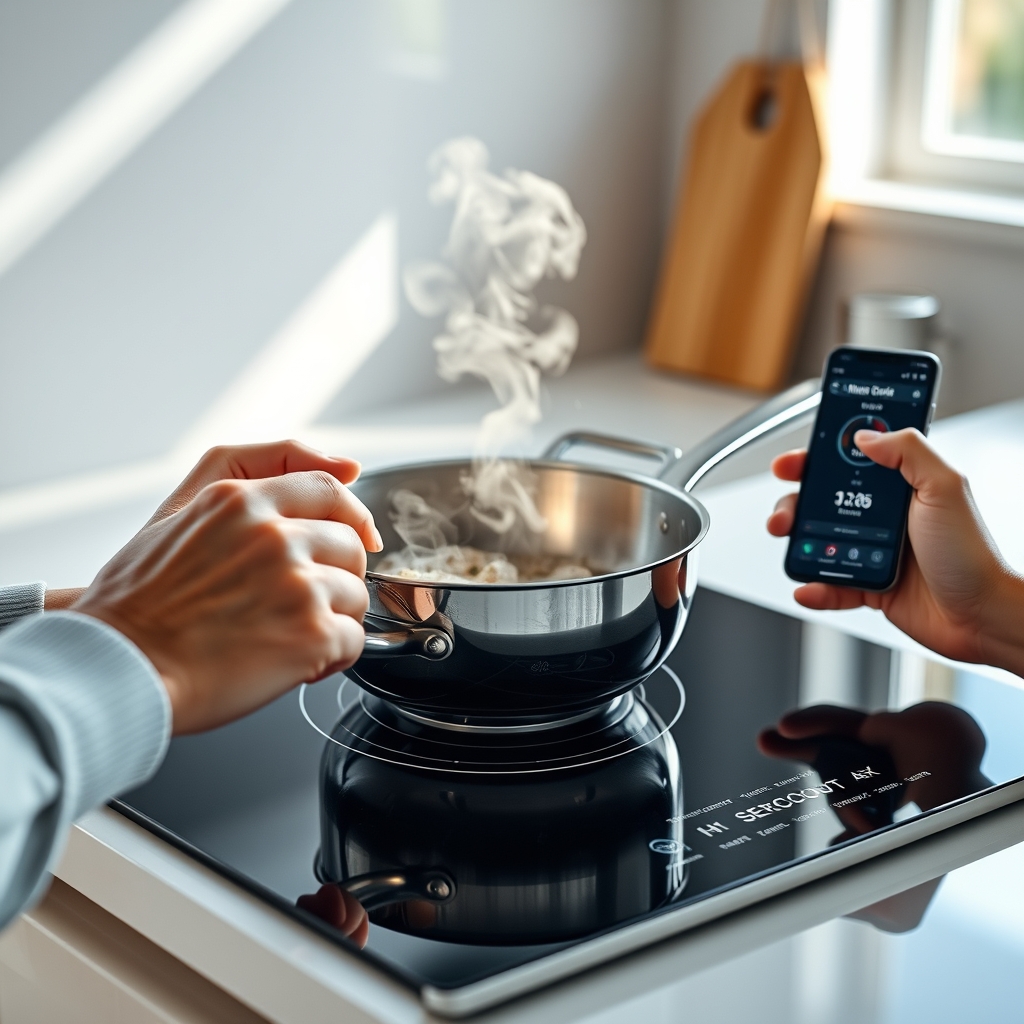
New smart induction cookware integrates sensors, digital temperature readouts, and sometimes app connectivity for more control—think built-in thermometers or shutdown sensors. These features can help prevent overheating and simplify precision cooking. However, they’re most valuable to tech-forward cooks or those with “smart kitchen” induction stoves. APAC leads in this trend, with over 40% adoption in new kitchens, spurred by government incentives and automation interest. Realistically, the average home cook will get better mileage from a top-quality magnetic stainless or cast iron set, only adding “smart” pans if you truly need connected features for specialty cooking.
Best Picks by Use Case and Budget (Practical Shortlist + Reason)
Here’s a practical shortlist by real-world need—each recommended for its proven durability and induction performance:
- Everyday multitasker: Multi-layer magnetic stainless 10- or 12-inch skillet (e.g., All-Clad D3/D5 or Tramontina Tri-Ply). Lasts 5–10 years. Avoids warping/hot spots.
- High-heat searing/grilling: Enameled or bare cast iron (e.g., Lodge, Le Creuset). Superior heat retention, 5–10 year lifespan or more. Needs proper seasoning/maintenance.
- Breakfast/non-stick: Induction-compatible non-stick skillet from a top brand with 2–3 year warranty (e.g., Zwilling Thermolon or Scanpan). Will need periodic replacement as coatings wear.
- Braising/roasting: Heavy enameled Dutch oven (e.g., Staub). Resists warping; excellent for long, slow dishes on induction.
- Budget/value set: Cuisinart Multiclad Pro or similar—true tri-ply base, strong performance for the price. Expect main cookware to last reliably, non-stick to be replaced more often.
All picks above avoid the most common failure modes: confirmed magnetic compatibility (magnet test passed), multi-layer or cast-iron construction, and secure handle attachment. If you’re hunting for top options and more use-case advice, see our expert guide to the best induction cookware sets.
Simple Compatibility & Performance Tests to Run at Home (Before/After Purchase)
Don’t wait for disappointment—use these quick at-home checks for induction compatible cookware:
- Magnet Test: Firmly attach a magnet to the base. No grip = not induction compatible.
- Flatness (“wobble”) Check: Rest the pan on your (unheated) induction cooktop—should sit solid, no rocking or gaps.
- Heat-Up Speed Test: Add a cup of water—should reach a rolling boil in 60-90 seconds on high power for 8–12” pans.
- Evenness Skillet Test: Drizzle a little oil—should spread and shimmer uniformly in about a minute. For more rigor, sprinkle sugar or flour and check even browning.
- Handle Stability: Handles should be solid and cool. Any flex, wiggle, or unexpected heat is a fail.
If your new cookware for induction fails these, consider a prompt return—most reputable sellers offer solid satisfaction guarantees for this reason. For more tricks, read our kitchen appliance troubleshooting guide.
Search Trends & Top Consumer Questions to Answer on the Page (90‑Day Pulse)
- How do I check if my pan is induction compatible?
- How long should induction cookware really last?
- Is brand X induction ready or just “induction safe”?
- Do non-stick induction pans wear out faster than stainless or cast iron?
- Are smart induction cookware features worth the extra cost?
- Will induction cookware also work on gas/electric stoves?
- How much energy / time will I save with the right induction compatible cookware?
Interest in smart kitchen features and energy efficiency is rising sharply, but most shoppers still want confidence around durability and real compatibility. For in-depth buyer questions, check our thoroughly researched market analysis report.
Three Content Gaps Competitors Miss (So This Page Ranks and Converts)
- Actual, independent durability benchmarks: The difference in lifespan between materials—multi-layer stainless and cast iron regularly last 5–10 years with minimal warping, while single-layer alloys fail after 1–2 years. Choose for the long run to minimize cost.
- Clear, actionable technical minimums: Always look for minimum three-ply (or greater) construction, confirmed magnetic base (solid magnet test), and robust, riveted handles. If any of these are missing, expect problems.
- Practical lifecycle cost and energy efficiency: It’s nearly always cheaper (and far less hassle) to invest in premium induction compatible cookware once than to buy and replace two or three cheap sets. Energy efficiency is maximized with tight-fitting, flat-bottomed pans that match your induction hob zone—saving time and power on every meal.

Actionable Buying Checklist & Quick Decision Flow (Printable Summary)
- ✓ Material: Prefer multi-layer (tri-ply or above) magnetic stainless or cast iron.
- ✓ Magnet Test: Base must attract a kitchen magnet with strong force.
- ✓ Base: Flat, at least 3mm thick, matches your hob’s heating zone diameter.
- ✓ Handle: Riveted, cool-touch, no flex.
- ✓ Oven/Dishwasher: 400°F+/200°C+ safe; confirm if dishwasher-safe for your needs.
- ✓ Warranty: At least 2 years for non-stick, 5 years for steel/cast iron. Look for brands with strong return policies.
Decision Tree:
If you cook daily with high heat: Choose multi-layer stainless or cast iron.
Mostly eggs/pancakes/low-fat: Go non-stick, but expect to replace in 2–3 years.
Occasional use: Value set, but make sure it’s at least tri-ply and passes the magnet/flatness tests.
Want smart kitchen integration: Look for induction cookware with embedded sensors, but don’t skimp on core material quality.
For a printable version of this checklist or to compare the top rated induction cookware sets, visit our full guide now.
FAQ
How do I know if my pan is really induction compatible?
Hold a fridge magnet against the base. If it sticks firmly, the pan is induction compatible. If it barely grabs or does not stick at all, it will not work on induction hobs.
How long does cookware for induction last?
Multi-layer magnetic stainless and cast iron pans typically last 5–10 years or more with proper care. Non-stick induction pans usually last 2–3 years, as coatings degrade faster with high use.
What are the most common problems with induction compatible cookware?
The most frequent issues are warping (often in thin single-layer pans), uneven heating (hot spots), non-stick coatings wearing out quickly, and loose or hot handles.
Can I use my induction cookware set on gas or electric stoves too?
Yes. As long as the pan has a flat and sturdy bottom, induction compatible cookware works perfectly on gas and standard electric stoves as well.
Is buying smart induction cookware worth it?
Smart induction cookware can add value if you use precision cooking or want app integration, but most home cooks will get better durability and real-world performance from proven multi-layer or cast iron sets.
—