

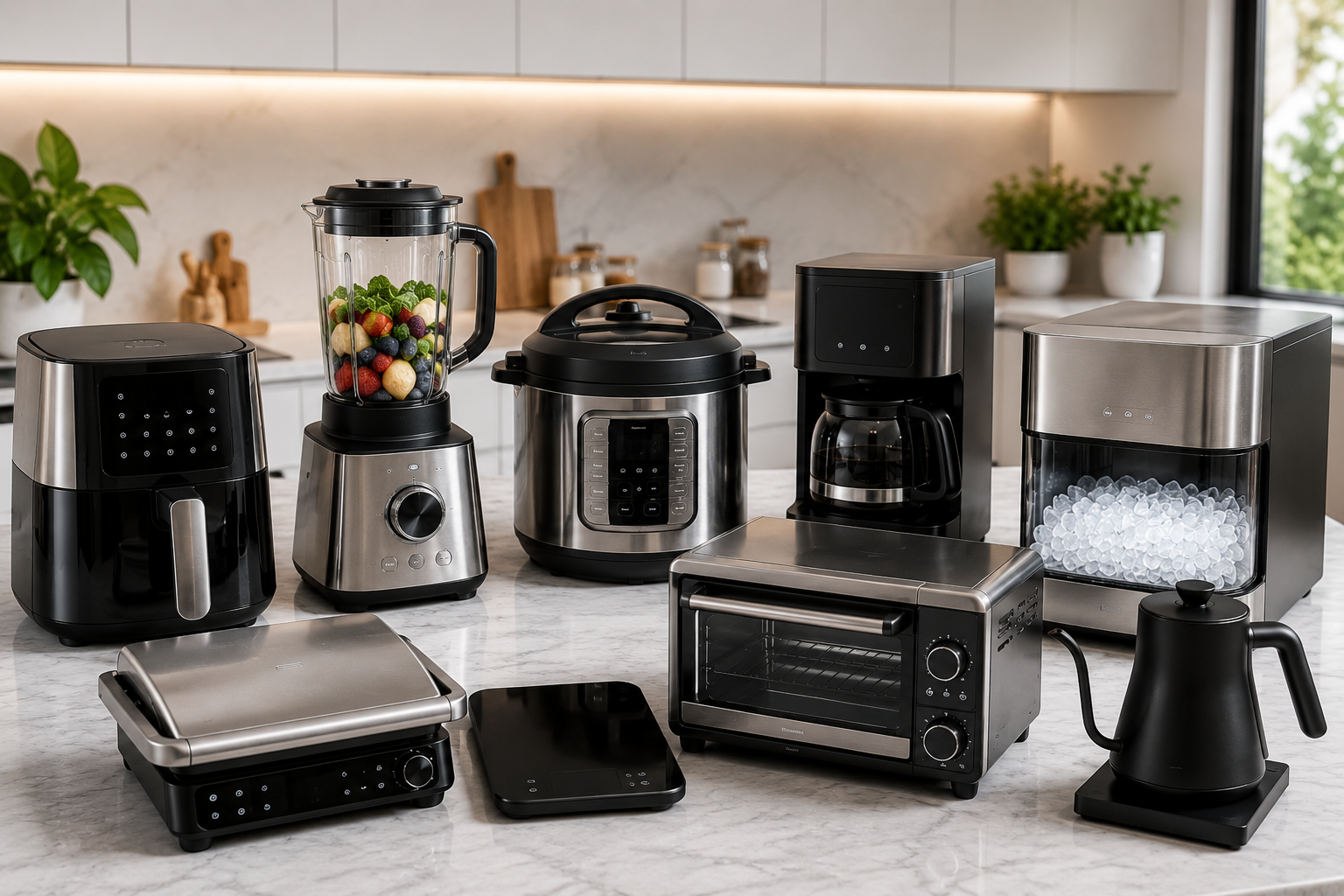
Smart kitchen appliances have evolved fast, but in 2026, only a handful of models truly offer reliability, measurable savings, and seamless ecosystem compatibility. Mid-to-high income homeowners are asking: which smart kitchen appliances are actually worth the investment today? This guide breaks down what’s real (and what’s still hype), with in-depth ROI and reliability analysis for connected kitchen upgrades.
Key Takeaways
- Only select smart kitchen appliances consistently deliver ROI, energy savings, and long-term support—prioritize those over unproven gadgets.
- Top sources of buyer frustration in 2026 are unreliable connectivity, app headaches, and abrupt loss of cloud support—test before you buy.
- The global smart kitchen appliances market reached USD 26.3B in 2026, with North America and Europe leading adoption. Ecosystem compatibility is now a primary buying factor.
- TL;DR — Quick verdicts: what to buy (and what to avoid) in 2026
- 2024–2026 market snapshot — why this category matters now
- Top real user pain points and how to avoid them
- Conclusion
- FAQ
TL;DR — Quick verdicts: what to buy (and what to avoid) in 2026
Here’s your ruthless, ROI-focused round-up of the best smart kitchen appliances 2026 has to offer (and what to skip):
- Buy: Smart refrigerators (Samsung Bespoke AI, LG InstaView ThinQ): offer real energy and food management savings, with broad Alexa/Google compatibility and reliable updates. [Source]
- Buy: WiFi-enabled ovens/ranges (GE Profile, Bosch Series 8): programmable, high-precision, and easy to integrate; proven to cut energy use AND cooking errors.
- Consider: Connected dishwashers and coffee/espresso makers: choose models with wired fallback or strong app/web controls. Skip those with mandatory cloud or closed ecosystems.
- Skip: Single-brand “smart kitchen suites” that lock you into a proprietary app unless the brand is proven for firmware updates and local controls (like Miele or Bosch).
- Skip: “Gimmick” gadgets (smart forks, novelty fridges): High cost, low ROI, confusing app experiences.
The smart kitchen appliances market hit nearly USD 26.3 billion in 2026, but most of that is concentrated in devices that prove reliability and measurable value over time. Focus on categories and brands with documented long-term support, energy savings, and robust integration—not hype.
2024–2026 market snapshot — why this category matters now
The connected kitchen appliances sector grew from about USD 22B in 2024 to USD 26.3B in 2026, with momentum expected through 2030 at an 11–12% CAGR (see official research). What does this mean for buyers?
- Product maturity and stability: Core kitchen appliance categories now see regular, well-tested software updates—especially among top brands. Ecosystem investments from tech giants have solidified the most reliable platforms.
- Energy mandates are shaping design: New U.S./Canada/Europe energy-efficiency rules (2024-2027) are filtering out the worst offenders and accelerating adoption of smarter, more efficient models. Appliances that outperform new cooking-product standards are seeing strong uptake (LinkedIn Market Report).
- End-user control is under the microscope: More buyers expect simple onboarding, strong privacy, and solid offline controls. Read reviews, forums, and hands-on guides to confirm these features before you buy.
Household penetration and regional performance
Smart kitchen appliances are not adopted equally worldwide. By 2026, household adoption estimates are:
- North America: ~30% penetration. Largest, most supported market. Top-tier brands (GE, Samsung, LG, Whirlpool) offer US/Canada support and spare parts.
- Europe: ~28% penetration. Fastest growing market (Bosch, Miele, AEG strong here), wide support for HomeKit/Apple and Google integrations.
- Asia-Pacific: ~20–22% penetration. Select innovation leaders (Panasonic, Haier) but regional interoperability is spottier.
Bottom line: Prioritize brands with strong local service, voice assistant support, and spare parts networks in your region. Always review support forums for regional repair experiences (see air fryer reviews 2026 as an example).
Top real user pain points and how to avoid them
Common pitfalls with smart kitchen appliances
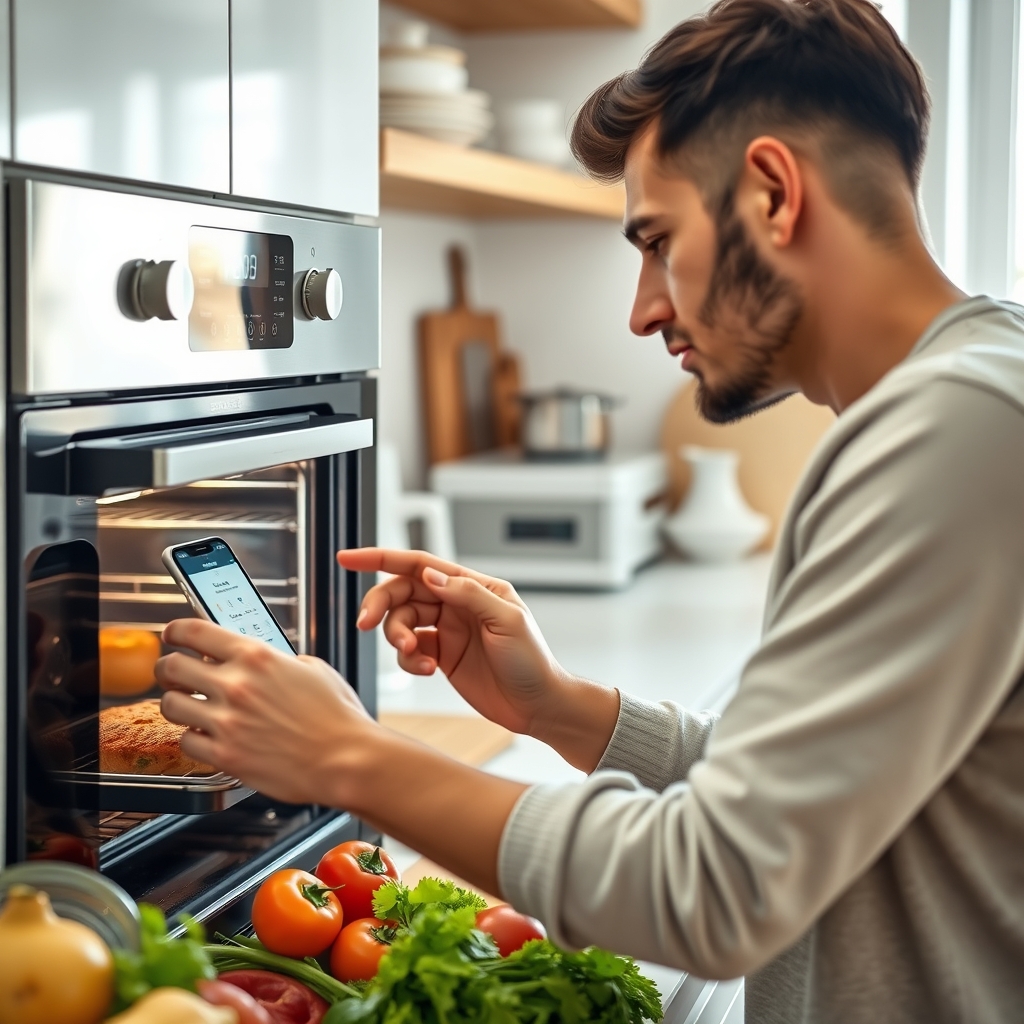
- Unreliable WiFi/Bluetooth connectivity: Frequent disconnects mean remote features become useless. Solution: Check if the appliance supports both 2.4GHz and 5GHz bands, and test range during demo. Ethernet is rare but ideal.
- Cumbersome app setup & unintuitive UI: Users report app onboarding routinely takes 10-20 minutes or more. Solution: Time the full setup process and try all essential features before purchase.
- Broken smart-home integrations: Voice assistant skills (Alexa/Google/HomeKit) often break after firmware updates, requiring re-pairing or never recovering. Solution: Review forums for integration issues, especially for your chosen ecosystem.
- Privacy and data-collection: Many smart appliances require cloud logins and share data for remote features. Solution: Demand a clear, published privacy policy and local/offline usage fallbacks.
- Firmware/feature lock-in: Companies can drop cloud features, leaving your appliance “dumb” unexpectedly. Solution: Consistently review the manufacturer’s update and support timelines for every major model; avoid those with a history of premature product obsolescence.
- High upfront cost vs. value: Many WiFi kitchen appliances promise time savings, but unless they offer clear energy/cost reductions or proven convenience, their ROI is poor.
For all app controlled kitchen appliances, always check if you can manually operate core functions when WiFi is down. Wired interfaces, jog wheels, or physical controls are invaluable after an update fail (as highlighted by Wired).
Side-by-side: App feature comparison (flagship brands, 2026)
| Brand | MSRP Range (USD) | Core App Features | Voice Assistants | Open API/IFTTT/Works With | Firmware Updates | Warranty/Repair Policy |
|---|---|---|---|---|---|---|
| Samsung (Bespoke AI series) | $1499–$5999 | Remote control, food management, diagnostics | Alexa, Google, Bixby | SmartThings, IFTTT | Firmware updates: Quarterly / 5 yrs | 2 yrs, global parts |
| GE Profile | $1099–$3999 | Oven/Range scheduling, remote monitoring | Alexa, Google | IFTTT, Open API beta | Quarterly / 3 yrs | 1–3 yrs, North America |
| Bosch Series 8 | $1249–$4799 | Program library, AI cook, diagnostics, energy report | Google, Alexa, Apple (HomeKit Europe) | Home Connect, IFTTT | Quarterly / 5 yrs | 2 yrs, EU/NA |
| Miele Generation 7000 | $2999–$6999 | Remote and in-panel, maintenance reminders | Alexa, Google | None | Twice/year / 7 yrs | 2–5 yrs, premium |
| Panasonic HomeChef | $499–$1199 | Voice recipes, temp/weight accuracy | Alexa (Asia), Google (Asia/Europe) | Cooking Hub API | Yearly / 3 yrs | 1 yr, regional |
This table demonstrates how ecosystem compatibility and firmware policy are the real differentiators in 2026. Brands with broad voice assistant support and regular updates generally outperform single-purpose or closed systems.
Want more deep dives into specific appliance types? For buying optimized air fryers, see our Ultimate Air Fryer Buying Guide 2026. For induction setups, check our acclaimed Cookware For Induction Guide.
Conclusion
Choosing smart kitchen appliances in 2026 means focusing on ROI, reliability, and robust integration—not just flashy marketing. Back your upgrades with live demos, confirm regular firmware support, check app onboarding, and prioritize models with proven local controls and transparent privacy. Avoid obscure “smart” gadgets unless their value is clear and documented. For most homeowners, the best outcomes come from investing in smart refrigerators, WiFi-enabled ovens/ranges, or connected dishwashers from brands with solid service and broad integration. If you follow this approach, your smart kitchen appliances will pay dividends in energy savings, daily convenience, and future-proofing. Ready for your test drive? Check the full pre-purchase checklist, verify support, and seek out demo units before you buy.
FAQ
Can smart kitchen appliances operate if my WiFi is down?
Most premium models allow basic offline control, but always verify before purchase. Avoid any device that disables essential functions when disconnected.
Do I have to use the manufacturer’s app for everything?
No—many leading connected kitchen appliances support voice assistants or integrate with popular smart home platforms. However, some features still require first-party apps for updates and diagnostics.
What are the main privacy issues with smart kitchen appliances?
Location data, usage patterns, and even voice commands can be collected—always read the manufacturer’s privacy statement carefully, and favor devices with clear data policies and local control.
How long can I expect firmware updates for a smart appliance?
Major brands typically offer updates for 3–7 years. Confirm this on the manufacturer’s website or in forums before buying.
Are repairs or spare parts easily available for smart models?
This varies by brand and region. Check for readily available local service partners and published parts catalogs (see discussion in our nugget ice maker guide).
Great content! Keep up the good work!