

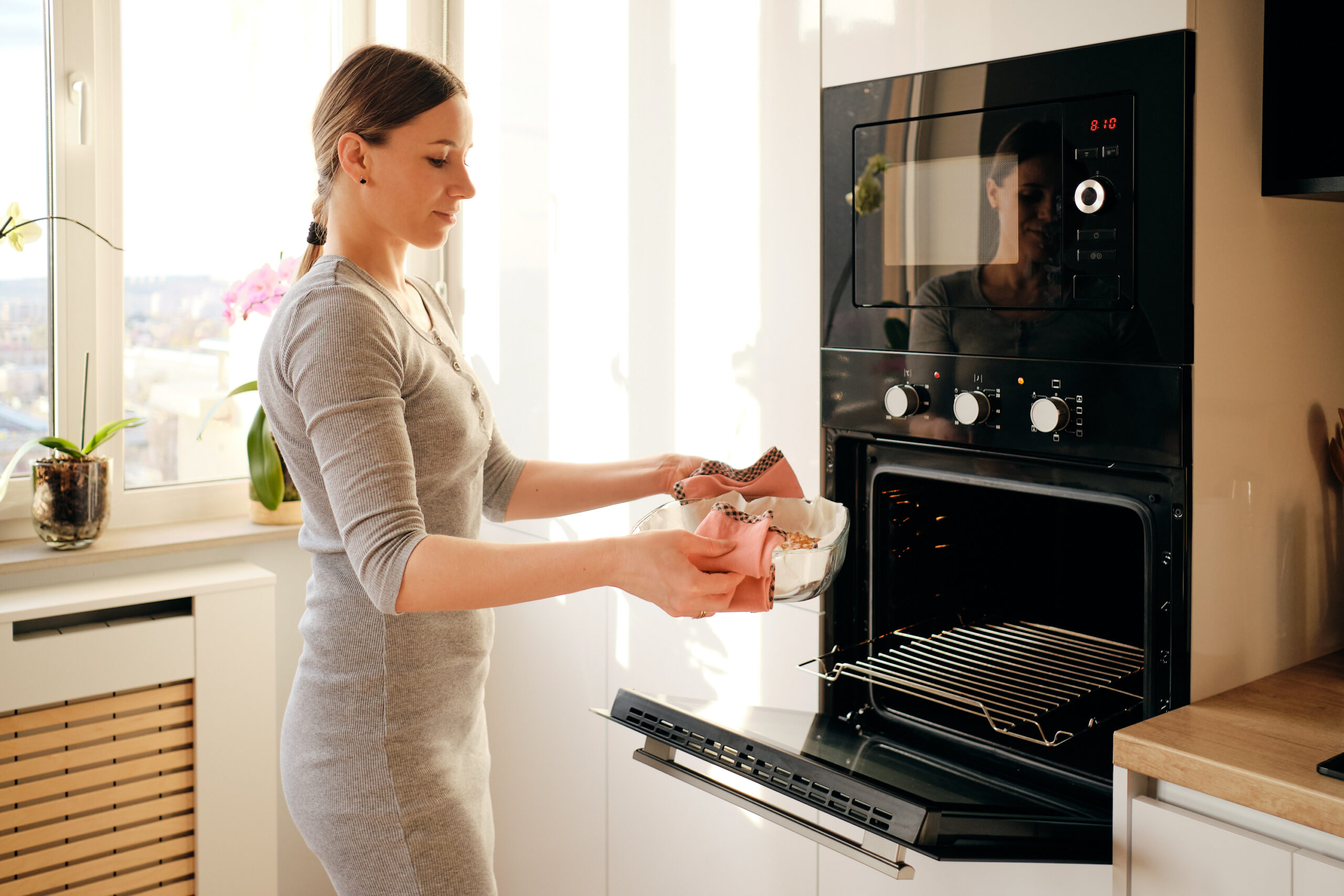
Smart oven sales are booming for a reason: busy home cooks want a real alternative to bulky, slow kitchen appliances. If you have limited counter space and wish you could combine your oven, toaster, and air fryer into one device, you’re not alone. But finding a smart oven that truly works—and does not disappoint—takes more than just trusting the hype.
Key Takeaways
- Smart ovens save space, energy, and time by replacing multiple appliances—but not all models are equally user-friendly or reliable.
- Look beyond flashy marketing for real performance data, proven reliability, and app privacy. User reviews highlight pitfalls like app crashes and hardware failures.
- Testing preheat speed, energy use, and fit in your kitchen (plus real app experience) is essential before buying any smart oven.
- Market snapshot — why now
- Why a smart countertop oven / air fryer combo can replace multiple appliances
- Top user pain points (usability, reliability, app experience)
- Performance benchmarks to test before buying
- App features, integrations and connectivity reliability
- Price and value — what to expect vs standard ovens/countertop appliances
- Emerging trends (last 90 days) and social signals buyers notice
- Three crucial sub‑topics competitors often miss (to make this article stand out)
- Conclusion
- FAQ
Market snapshot — why now
The global smart oven market stands at around US$2.4 billion in 2024, expanding rapidly at roughly 14.8% compound annual growth through 2030. The United States drives nearly 40% of this volume, hitting about US$950 million this year. Even so, smart ovens are still on the rise: just about 3% of households worldwide and 5% in the US own a smart oven—both up from just a couple of years ago (see Strategic Market Research and Fact.MR). The increased interest comes from city dwellers and small households who want to save space and time, but are wary of unreliable software and privacy risks.
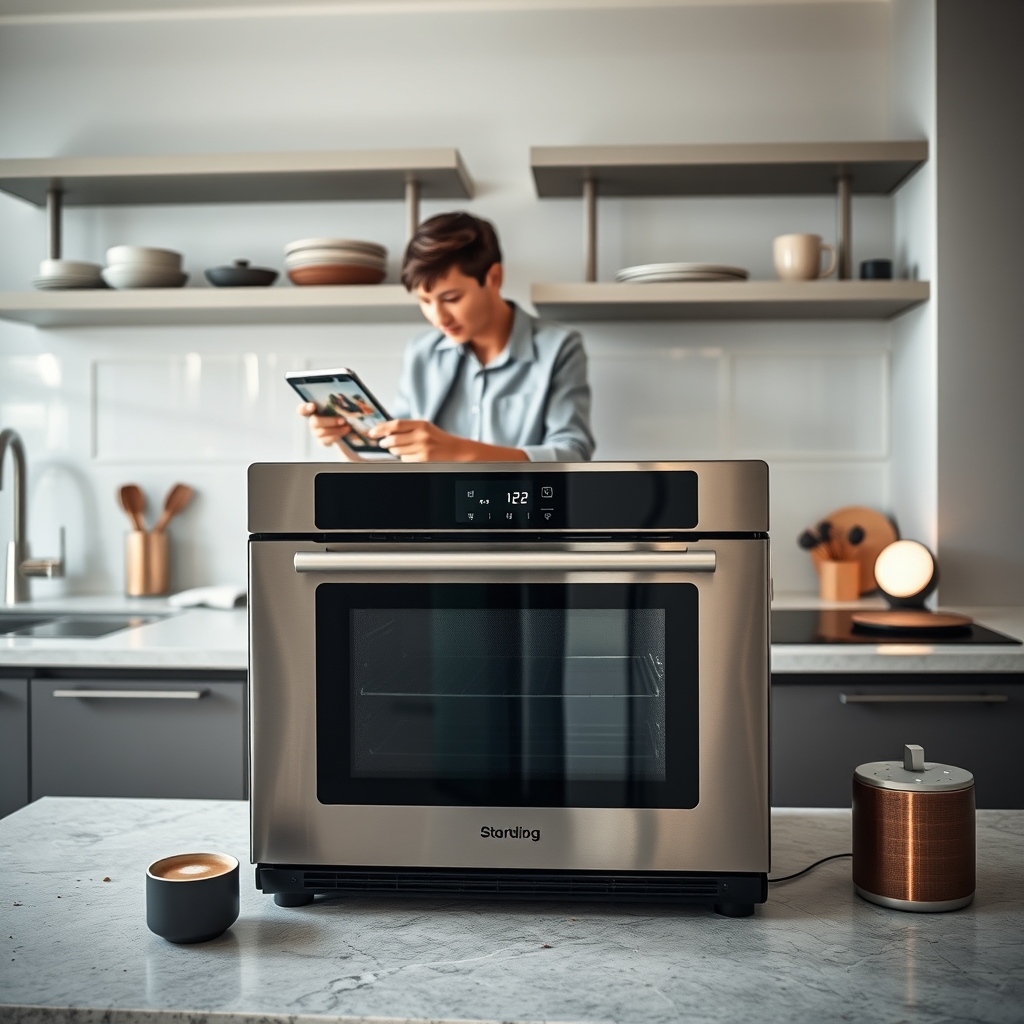
Why a smart countertop oven / air fryer combo can replace multiple appliances
Unlike standard ovens and aging toaster ovens, a modern smart countertop oven or smart oven air fryer combo is designed for speed and versatility. Many models now offer air frying, toasting, broiling, and even dehydrating—all from a single appliance that fits on your counter. This means you can ditch your oven, air fryer, and toaster, freeing up space and cutting clutter.
Why is this a big deal for apartment dwellers or anyone with a small kitchen? Conventional ovens use a lot more energy and heat up your whole kitchen, but leading smart ovens (like the Breville Smart Oven Air Fryer models) have been shown in both user tests and real buyer reviews to preheat up to three times faster—and maintain safer, cooler room temperatures. Product segmentation from industry reports now explicitly recognizes countertop smart ovens as a fast-growing category. For even more compact kitchen tips, see our countertop induction burner guide.
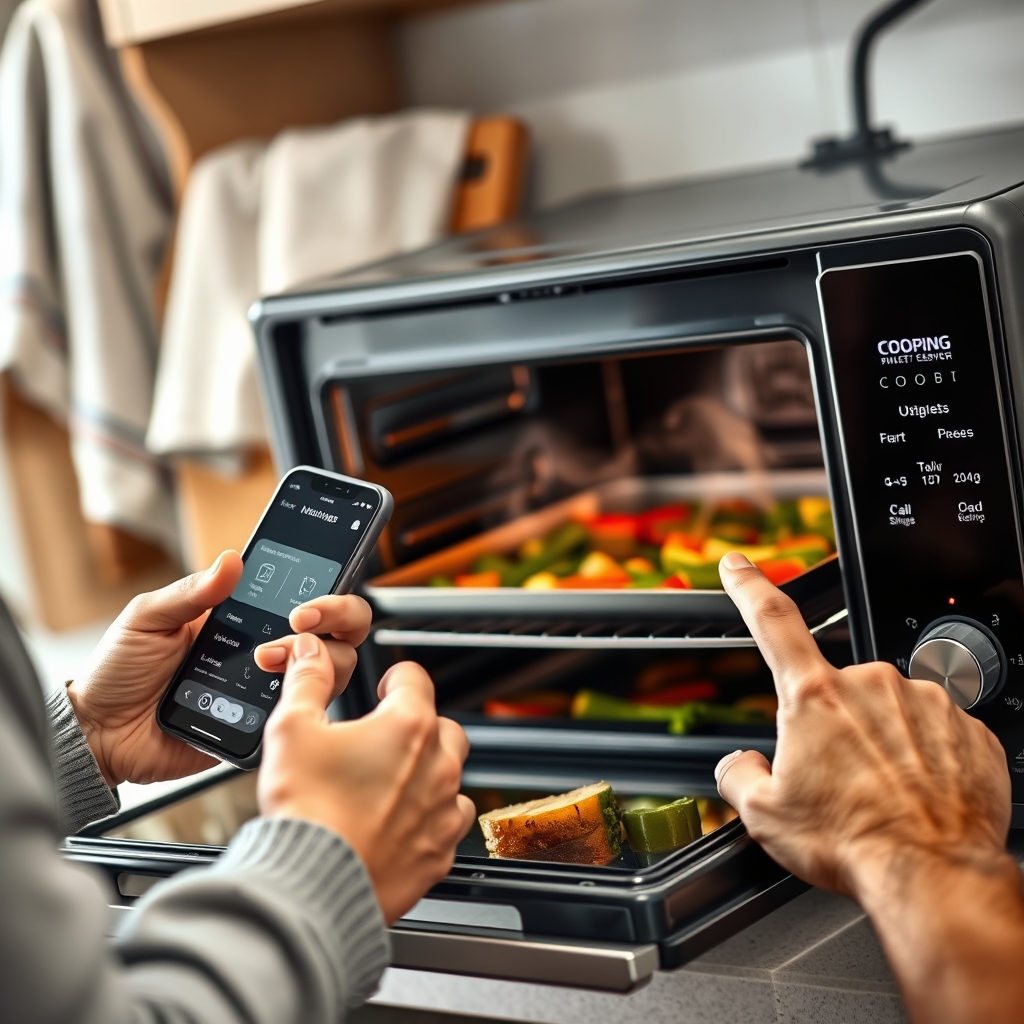
Many buyers upgrade to a true air fryer to avoid overheating their kitchen in summer; a smart oven air fryer combo solves both problems, letting you roast, fry, and bake with one device and track energy use over time. For energy-conscious cooks, check out our induction stove buying guide as well.
Top user pain points (usability, reliability, app experience)
It’s easy to get caught up in marketing claims, but actual buyers report concrete pain points with smart ovens:
- Usability: Touchscreen controls can be confusing, especially on June smart oven and Breville smart oven air fryer models, with buried menus or dozens of presets. The learning curve can be steep, and some designs are bulkier than advertised.
- Reliability: Recurrent complaints include inconsistent temperatures, heating-element failures after a year, and Wi-Fi or Bluetooth connectivity that drops mid-cook.
- App Experience: Users face frequent app crashes, delayed (or missing) notifications, weak voice assistant integration, and recipe libraries that are limited or outdated. Many users find themselves reverting to manual controls or losing trust in remote start/stop functions. According to recent research, 68% of buyers have privacy concerns about data collection with smart appliances.
When you’re researching models, prioritize ease of use, test for software reliability, check recipe library updates, and look for models with clear documentation—not just slick app interfaces. Thinking about more ways to simplify your kitchen? Compare smart induction cookware options too.
Performance benchmarks to test before buying
Not all smart ovens are created equal. To truly separate hype from value, here are practical benchmarks you can (and should) try:
- Preheat Time: Leading models like the Breville Smart Oven Air Fryer heat about three times faster than a standard oven. Test how quickly your candidate model gets to temperature for toast, air fry, or bake modes. (See this user review for hands-on timing data.)
- Cooking Accuracy: Use an oven thermometer for roast and bake cycles. Compare target and actual temps across various settings. Many users find up to 15–20°F variance in “budget” smart ovens.
- Energy Use: Smart ovens save energy by focusing heat, but check the appliance’s wattage—and see if it cools off your kitchen faster than your big oven.
- Noise: Fan noise on air-fry/broil modes can be distracting. Test noise level if possible, especially in small kitchens or open floor plans.
The best smart oven models provide clear specs and independent test data, but always check user reviews for recurring complaints. Cooking accuracy and app reliability matter just as much as features or countertop footprint.
App features, integrations and connectivity reliability
A smart oven with app control promises easy meal prep from anywhere—but only if connectivity holds up. Look for these key features (and test them in a showroom if you can):
- Remote Start/Stop and Presets: Can you reliably start or stop cooking from your phone, or does the app time out?
- Notifications: Are you getting accurate done/ready alerts, or are there long delays and app crashes?
- Recipe Library: Are the recipes diverse and updated constantly? Does the app push seasonal recipes, or is it the same old list?
- Smart‑Home/Voice Integration: Does the oven link with Alexa, Google Home, or Apple HomeKit? Some users find voice integration either buggy or non-existent.
Stability and privacy are major concerns. Real buyers report Wi-Fi or Bluetooth disconnects that halt their cooking or force manual resets, along with 68% of users voicing anxiety over what data their appliances collect (per Markets & Markets). If privacy is top-of-mind, look for brands with clear privacy policies and granular app permissions. Our AI oven buying guide goes deeper on this topic too.
Price and value — what to expect vs standard ovens/countertop appliances
Smart ovens command a premium over simple toaster ovens, but price points vary—a lot. In 2024, the US smart oven market is valued at about $950 million, while household toaster ovens are predicted to top $1,150 million by 2025 (Global Market Statistics). Here’s what buyers can expect:
| Product Type | Typical Price Range (USD) | Features & Functions |
|---|---|---|
| Standard Toaster Oven | $90–$230 | Toast, Bake, Broil |
| Basic Air Fryer Oven | $120–$350 | Air Fry, Roast, Bake, Reheat |
| Smart Countertop Oven | $300–$800 | Multi-Mode Cooking, App Control, Recipes, Presets |
For many, ROI comes from replacing three appliances with one. But beware: some entry-level smart ovens lack real performance or reliable app updates. If you expect to bake, air fry, toast, and use app automations, budget for a mid-to-high end smart countertop oven from reputable brands.
Emerging trends (last 90 days) and social signals buyers notice
Over the last three months, YouTube, Instagram, and Reddit forums show a wave of hands-on user reviews and viral demos for June smart oven and Breville smart oven air fryer models. These reviews highlight real-time app demos, connected-cook cycles, energy-use tracking, and recipe walk-throughs far beyond the company press releases. The best feedback? Search for Reddit threads by home cooks, where they post long-term tests and what features break down over time.
Testers (including America’s Test Kitchen and Instagram food tech accounts) now commonly show noise levels, Wi-Fi drops, and how an oven fits on a cramped apartment counter, not just food photos. Also keep an eye out for posts about firmware updates, recipe library improvements, and—crucially—negative experiences with app crashes or delayed support.
Three crucial sub‑topics competitors often miss (to make this article stand out)
Want to choose the best smart oven for real life? Focus on these overlooked factors:
- Data Privacy & Mitigation: With 68% of users worried about smart appliance privacy, read brand privacy disclosures closely. Opt out where possible, and consider using your oven on a guest Wi-Fi network or only granting necessary app permissions.
- Countertop Fit, Ventilation & Heat Dissipation: Many buyers are shocked by how much room even ‘compact’ smart ovens need. Measure not just width and depth, but plan for several inches behind and above for air flow. Poor ventilation can lead to shut-off errors or cooked cabinets.
- Long-Term Reliability, Repairability, and Warranty: User reports of heating-element failures and dropped connections are still common. Compare warranty periods, ease of repair (are components user-replaceable?), and the true cost of long-term ownership. Some brands are better at supplying parts or offering responsive support—others will leave you cold.

Conclusion
Smart ovens are evolving fast—offering real solutions for cooks who want to shrink their counter clutter, cook faster, and get app-based convenience. But choosing the right smart oven takes more than picking a big brand. Performance, usability, warranty, and app privacy all shape your experience. If you value both space and sanity, take time to test top contenders, read past real-world reviews, and make sure the smart oven you bring home fits your actual life. Ready to simplify your kitchen? Compare your options—and don’t hesitate to reach out for personalized recommendations.
FAQ
Can a smart oven really replace my oven, toaster, and air fryer?
Yes, many smart ovens offer multi-cook modes (bake, broil, toast, air fry) in a single device. For everyday cooking in smaller households, a quality smart oven can replace all three. Confirm your favorite dishes fit inside before buying.
Are smart ovens safe in small kitchens or apartments?
Smart countertop ovens are safe if you leave proper space around them for ventilation. Watch for cabinet height, rear clearance, and heat dissipation under heavy use. Place a heat-resistant mat or liner underneath for added safety and easy cleaning.
What brands make the most reliable smart oven air fryer combos?
Breville (Breville Smart Oven Air Fryer), June, and Tovala are popular choices with strong user reviews. Still, even top brands have reports of app glitches and heating-element issues, so check current feedback for your chosen model.
How worried should I be about app data privacy with smart ovens?
About 68% of users report privacy concerns with smart appliances. Check for brands offering clear privacy controls, regular security updates, and the ability to opt out of data sharing. If in doubt, use a dedicated Wi-Fi network or limit app permissions.
What’s the best way to compare smart ovens before buying?
Test preheat speed, cooking accuracy (using a thermometer), app stability, and whether the oven really fits your counter and needs. Don’t rely on advertising alone. Visit forums or video reviews for hands-on feedback on models like Breville and June.
—