

Cream appliances are the single most effective move if you want a kitchen with warm, cohesive design—but you don’t want to trade off performance, durability, or daily practicality. High-end neutral finishes look inviting and calm, but are they worth it? Here’s how to get the look—and the value—you expect.
Key Takeaways
- Cream appliances offer visual warmth and instant harmony in neutral, beige, or warm-toned kitchens—but the upfront premium needs to deliver on longevity and use.
- Coating durability, cleaning ease, and colorfastness are critical—small details like trim, handles, and finish matter as much as internal specs.
- Compare build quality, energy specs, warranty, and user reviews before paying extra for aesthetic countertop appliances.
- Market snapshot — why cream appliances matter now
- Design rationale — making cream work in warm‑neutral kitchens
- Common buyer pain points (what to expect)
- Price and value — how cream compares to standard colors
- Build quality, colorfastness, and cleaning — real-world comparisons
- Tech specs & efficiency — what separates leading cream air fryers, kettles, toasters
- Underrepresented topics to own (SEO/content gap)
- Quick buyer checklist & recommended queries for research
- Conclusion
- FAQ
Market snapshot — why cream appliances matter now
The global kitchen-appliances market is booming, projected to jump from roughly USD 323 billion in 2026 to around USD 394 billion by 2031 (source: Mordor Intelligence). The small-appliance category—where cream kitchen appliances excel—stands at about USD 61 billion for 2026 and could reach USD 87 billion by 2033, growing at more than 5 percent yearly (Technavio).
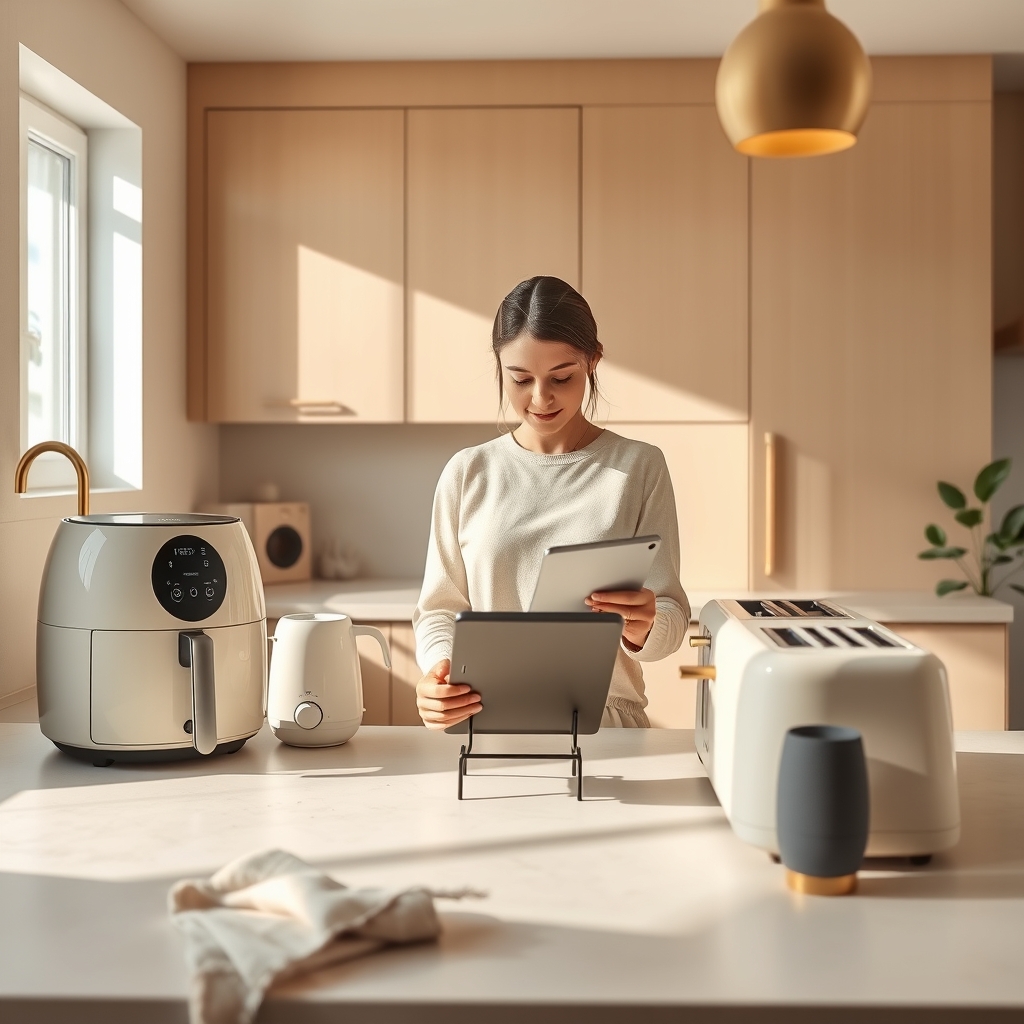
This surge isn’t just in numbers. In North America and Europe—each owning about one-third of the market—the demand is specifically for countertop appliances with premium design: not just toasters, but cream toaster and kettle set that blend into curated kitchen palettes, not clash with them.
High-income home renovators now see “design language” in appliances as a key investment, not a splurge. Cream appliances are increasingly searched—matching the desire for both function and an upgrade from bland white or attention-grabbing black/stainless.
See also: Air Fryer: 9 Best Proven Tips — Ultimate Buying Guide for real-world appliance reviews if you want detailed model comparisons.
Design rationale — making cream work in warm‑neutral kitchens
Warm, neutral kitchens—think beige walls, oak, brass, or travertine—feel tailored and comfortable. Cream kitchen appliances make this look work by blurring the line between utility and decor. But not all creams are the same: some lean yellow and look artificial under LED, others look stone-like but risk blending into background in low light.
Pairing tips to solve this:
- Choose beige kitchen appliances that match your wall/backsplash or intentionally contrast slightly—for example, a matte cream toaster paired with a glossy Calacatta Gold countertop or soft beige walls.
- Add visual depth with accents. Brushed gold, walnut, or black handles on neutral kitchen appliances make even powder-coat finishes pop while hiding fingerprints.
- Check how the finish reads under both natural and artificial light. Creams can get too yellow in the evening or disappear in a sea of plain plywood—always ask for a sample image or in-store trial.
According to market data, North America holds about 32 percent of global appliance revenue with Europe nearly equal—showing buyers in both regions demand style-forward, premium products and longer-lasting finishes compared to the fastest-growing Asia-Pacific market.
Pro tip: A neutral kitchen doesn’t mean “boring.” Combining matte cream with bold veined stone, warm metals, and textured ceramics creates lasting interest—and hides everyday smudges and stains better than stark white.
For a complete design shopping checklist, see our Ninja Creami Swirl review for specific model advice and style pairings.
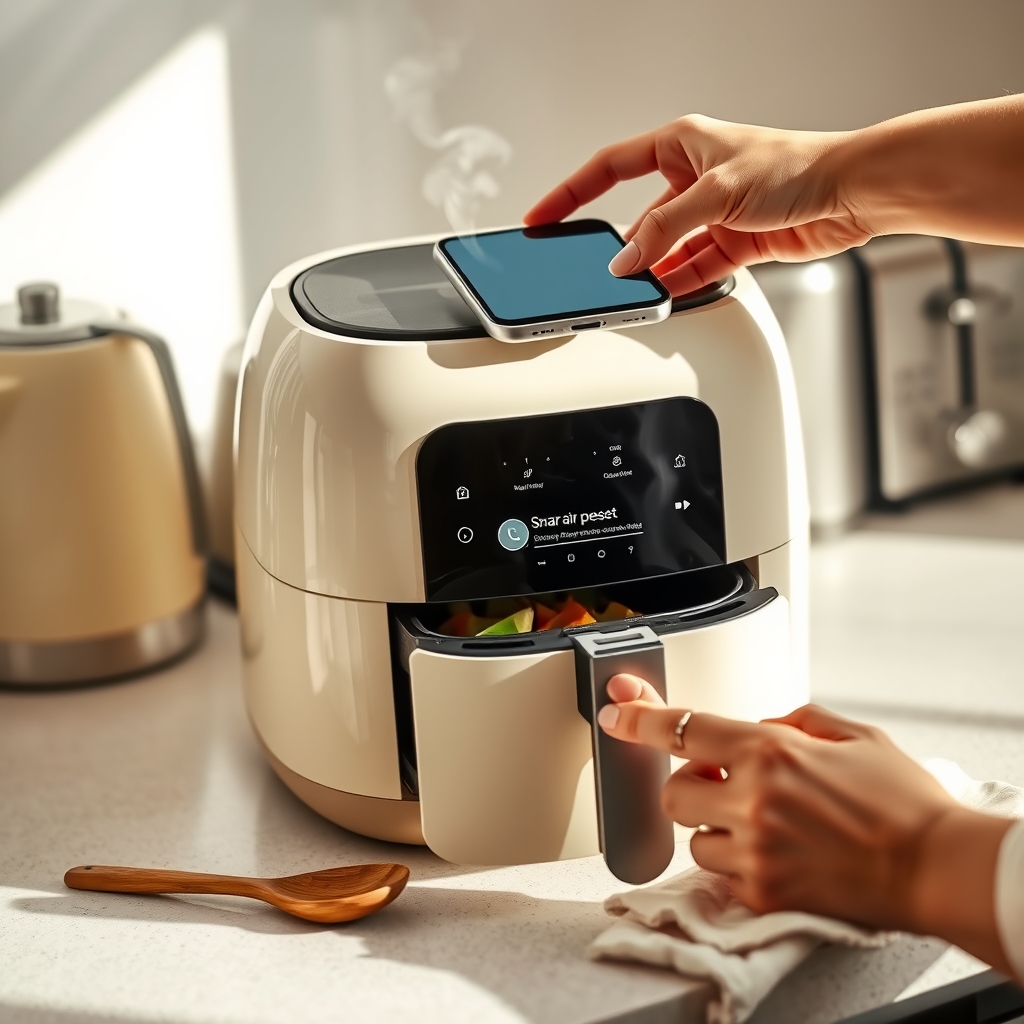
If you’re shopping for neutral kitchen appliances for a new build or full refresh, be aware: premium design-driven lines (Smeg, Dualit, DeLonghi) often phase out certain shades each year. Buy all matching pieces together to avoid color mismatch later.
Want your appliances to blend in both modern and classic spaces? Matte cream finishes are more forgiving than high gloss for kitchens with aggressive downlighting or open shelving. Rounded corners and brushed or wood accent handles increase harmony and reduce visible wear.
For more on color-matching by paint brand and real-world counter blending, watch for our upcoming detailed guide.
Common buyer pain points (what to expect)
Looks aren’t everything. Here’s the hard reality about cream air fryer performance and cream toaster and kettle set durability, based on aggregated user reports and returns:
- Fingerprints and food stains show up faster on pastel and matte cream finishes than on mid-gray or brushed metals.
- Paint chips and scratches happen with accidental knocks or frequent cleaning, especially on powder-coated steel and plastic, unless the brand uses a quality multi-layer finish.
- Sometimes, aesthetic lines cut corners on core features (like audible “ready” beeps, exact temp settings, real stainless interiors, timer visibility) compared to plainer, workhorse versions at the same price.
- Some designs are oversized or oddly shaped. That can clash with tight prep areas and open shelving, making even attractive appliances feel out of place.
- The premium price for design sometimes isn’t matched by a longer warranty, better user support, or drop-resistant build. This is a common complaint for high-end cream models.
Users on design forums say they love the look, but get frustrated when the cream finish quickly loses its luster or when constant cleaning becomes a chore. It’s not just about price—it’s about whether you’re really getting a reliable appliance wrapped in a designer skin.
See user-driven review breakdowns in our air fryer buying guide and compare with other smart kitchen appliances before deciding.
Price and value — how cream compares to standard colors
Cream appliances almost always cost more than functionally-similar black, stainless, or white models—typically 10 to 30 percent higher depending on brand and exclusivity. In North America and Europe, premium demand plus growing e-commerce support these markups (source: Persistence Market Research).
The value question comes down to two things:
- Does the higher price deliver truly better build, longer warranty, and reliable spare parts? (Hint: Not always.)
- Are you paying for a finish that will last, resist yellowing, and stay easy to clean?
| Feature | Standard Color Model | Cream Finish Model |
|---|---|---|
| Average Price | $80–$100 | $110–$140 |
| Warranty | 1 year | Often 1 year (sometimes 2, but rare unless luxury brand) |
| Durability | Good—scratches less visible | Looks better, but chips/scuffs show faster |
| Cleaning Effort | Wipes clean easily | More frequent cleaning needed |
Shopping tips:
- Check if your preferred aesthetic countertop appliance line offers a sample swatch program or trial period.
- Read user reviews focused on real-world durability (look for words like “chips after 3 months” or “warranty response”).
- Don’t pay extra unless the internal build—controls, heating elements, basket hinges—matches the finish quality.
Thorough research will help you avoid most regrets. Some brands offer visible build upgrades for the price, while others mostly sell color and cachet. For advanced price/performance, check our cookware for induction guide for ultra-practical buyers.
Build quality, colorfastness, and cleaning — real-world comparisons
Here’s what separates cream finishes that last from those that disappoint:
- Powdercoat vs. paint: Powdercoated metal resists chips better and is less likely to yellow than sprayed paint or plastic.
- Scratch resistance: Look for multi-layer coatings and rounded edges.
- Cleaning ease: Avoid high-gloss or unsealed matte—both show smudges. Slightly textured, semi-matte finishes are best.
- Colorfastness: Some soft-tone coatings yellow under strong sunlight or near stovetops. Ask for UV resistance or anti-yellowing info from the brand.
- Maintenance: Wipe appliances weekly with a soft, damp microfiber. Never use abrasive sponges or multi-purpose sprays with ammonia—they cloud the finish fast.
User data shows most neutral kitchen appliances and beige kitchen appliances attract more dust and smudges than expected—and the lighter the color, the more maintenance required. Still, regular care preserves the look for years.
Brands rarely publish their precise coating process. In general, Italian and Japanese brands invest more in powdercoating; many budget models use a softer enamel over plastic.
For an in-depth look at appliance care and upkeep, don’t miss our dedicated smart kitchen appliances resource.
Tech specs & efficiency — what separates leading cream air fryers, kettles, toasters
Performance and sustainability matter just as much as color. Buyers should always compare:
- Wattage: Higher wattage means faster preheat but possibly higher energy use (1800W for air fryers/kettles is common, but check efficiency rating).
- Temp accuracy and controls: Models with digital dials, audible alerts, and wide temp range are easier and safer for all cooking tasks.
- Preheat time: Shorter is better for weekday use. Cream models should match or beat their standard siblings.
- Capacity: For air fryers, look for at least 4 quart baskets. For toasters, opt for deep/wide slots and a “lift and look” feature.
- Auto-shutoff, cord storage, removable crumb trays: Critical for countertop safety and cleaning ease.
- Energy efficiency: Check for Energy Star or similar certifications. Efficiency often lags if design elements add insulation bulk, so check user reviews for cook time and energy numbers.
Market analysis shows buyers demand feature-rich, stylish cream models—especially as part of a matching cream toaster and kettle set or a high-spec cream air fryer (source: Technavio). Don’t assume they outperform basic stainless models; compare specs line by line.
If you want more appliance tech breakdowns, check out our comprehensive induction burner buying guide for feature comparison tips.
Underrepresented topics to own (SEO/content gap)
The search for cream kitchen appliances is crowded with lookbooks but thin on specifics you actually need. Here are three essential but under-explored topics for in-depth research:
- Paint-to-appliance color-matching guides: Side-by-side comparisons pairing top appliance brands’ “cream” with popular wall paints (Farrow & Ball, Benjamin Moore, Sherwin Williams) so you avoid costly mismatches.
- Long-term maintenance, anti-yellowing: Step-by-step protocols tested for keeping cream appliances bright, including which cleaners to avoid, specialty polishes, and protective waxes.
- Eco/repairability profiles: Analysis of which aesthetic countertop appliances allow spare parts purchasing, easy disassembly for recycling, and robust manufacturer support.
Despite frequent buyer questions, expert sources flag these topics as missing from most editorial guides (Technavio). Tackling any one of these can save you money, time, and headaches during and after your project.

Quick buyer checklist & recommended queries for research
Before investing in cream appliances or a full cream kitchen appliances lineup, run through this 8-point checklist:
- Finish type: Powdercoat, enamel, or simple spray paint?
- Warranty: 1 year minimum. Is extended service or accidental damage coverage available?
- Spare parts: Are handles, feet, switches replaceable or serviceable post-warranty?
- Specs: Compare wattage, basket/slot size, and safety features as closely as with any other color.
- Cleaning: Can all parts be wiped or do they require specialty products? Are there nonstick/tray coatings?
- Color sample/visual policy: Return period? Can you see the appliance in your kitchen before committing, or at least get a swatch?
- Regional compatibility: Matching voltage, plug, and safety standards (esp. for EU/NA imports).
- User reviews: Look for recurring complaints about color shift, fingerprints, broken parts, or poor brand support.
Suggested queries:
- “Best cream appliances durability”
- “Cream vs white kitchen appliance longevity”
- “Powder coated cream toaster vs enamel”
- “How to clean cream air fryer finish”
- “Cream appliance paint chip repair spare parts”
- “Eco friendly repairable countertop appliances”
Kitchens are personal investments. Reviewers and designers both say: always spend as much time comparing performance and care as on colors or moodboards. For appliance match-ups, see our full induction stove buying guide as well.
Conclusion
Cream appliances deliver the harmony and warmth that brings a designer kitchen together—if you focus on more than just the surface. Check durability, warranty, cleaning realities, and specs before buying. Done right, they’re worth the premium.
Ready to make your kitchen a warm-neutral standout? Use the checklist above, compare models in-lifestyle and under your kitchen lights, and don’t settle for beauty without robust engineering. For deeper reviews and more buying guides, explore our related appliance resources.
FAQ
Are cream appliances harder to keep clean than stainless or white?
Yes, fingerprints, oil smudges, and some food stains show faster on light cream or matte finishes than on stainless or gloss white. Regular quick wipes with a microfiber cloth help, but plan for more touch-ups than with darker appliances.
Do all cream kitchen appliances match exactly between brands?
No. “Cream” can look very different by brand—some match beige, others are closer to off-white or even pastel yellow. Always cross-check swatches or see multiple brands together before buying an entire set.
Is paying more for a premium cream finish really worth it?
If the finish is high-quality powdercoat or enamel and the internal build matches (e.g., sturdy baskets, reliable controls), yes—they can outlast bargain models and keep their color. Beware pure “designer” brands that focus only on looks and skimp on real function.
What’s the best way to prevent yellowing or discoloration over time?
Keep cream appliances away from direct sunlight or stovetop heat, and wipe gently with soft, non-abrasive products. Harsh cleaners or UV exposure are the biggest causes of yellowing or fading. Consider prevent yellowing with dust covers between uses in sunny kitchens.
Where can I find real buyer reviews of cream air fryers or matching sets?
Check actual user feedback and feature breakdowns in trusted resources like our air fryer buying guide.