

Downdraft extractor systems are trending for open‑plan kitchens, but finding a discreet solution that balances real extraction performance, whisper-quiet operation, and installation tradeoffs is more complex than most brands admit. This guide delivers real-world, evidence-backed steps for choosing a downdraft extractor that actually fits your kitchen and lifestyle.
Key Takeaways
- Downdraft extractors now make up 11% of global range‑hood sales, driven by open‑plan and island kitchen trends—yet noise and installation headaches remain major factors.
- Best performance is found with induction or electric cooking and a ducted install. For heavy gas use, ceiling or wall hoods still outperform.
- Budget not just for purchase price, but higher install complexity, ongoing maintenance, and brand support—you’ll need them for long-term satisfaction.
- Market snapshot — is a downdraft right now?
- Why homeowners choose downdraft in open‑plan kitchens
- What users complain about — top 3 pain points from real reviews
- Real‑world performance comparison (downdraft vs integrated extractor hobs vs venting induction)
- Price expectations + installation & maintenance costs to budget for
- Technical features that matter for quiet, discreet extraction
- 3 high‑value questions competitors aren’t answering
- Quick buyer’s checklist + next steps for the shopper
Market snapshot — is a downdraft right now?
The downdraft extractor market has grown strongly alongside open‑plan kitchen adoption, especially in North America and Western Europe. Global sales were valued at about $2.34 billion in 2025, rising to $3.21 billion projected by 2031 (source), with a CAGR just above 6%. About 73% of installations are now residential, reflecting high demand in home renovations—but only around 11% of range‑hood unit sales. Commercial adoption is growing with boutique hotels and open-to-dining restaurants.
Top brands such as Bosch, Whirlpool, and Electrolux push innovation for energy efficiency and quiet operation (source). Consumer preference is clear: when sightlines and unobtrusive design matter, downdraft extractor hood systems, especially for islands, are increasingly chosen over bulky overhead alternatives.
Why homeowners choose downdraft in open‑plan kitchens
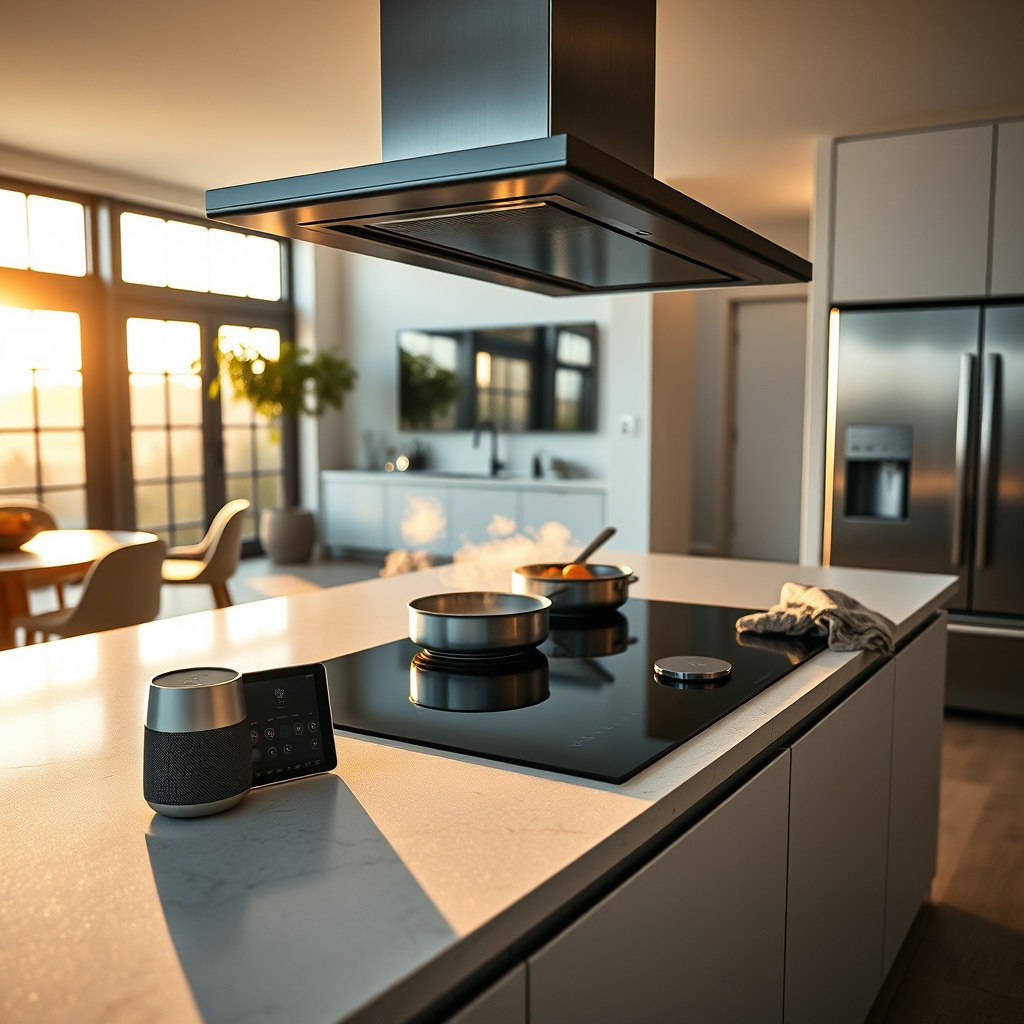
The draw of a downdraft extractor comes from a desire for uninterrupted sightlines, minimalist kitchen islands, and spaces that double as social zones. Homeowners and kitchen designers often pick integrated extractor hob options or induction hob with extractor for a seamless look, especially in open‑plan layouts. This trend is driven by more island and peninsula kitchens, where a traditional wall or ceiling extractor dominates the view.
Induction and electric cooking pair best, as these hobs emit less heat and vapor than high‑BTU gas, making downdraft airflow more effective. Rising awareness of indoor air quality and aesthetics combines with the popularity of multi‑function, smart kitchen appliances—like app-connected extractor controls.
If you primarily cook on induction and value open spaces over chef-level wok cooking, a downdraft system may be the perfect fit.
What users complain about — top 3 pain points from real reviews
- Noise: Most downdraft extractors exceed 60 dB (1–3 sones), often perceived as loud due to the motor’s proximity to the cooktop (source). This is especially noticeable in quiet, open‑plan kitchens.
- Extraction Power: Downdraft extractors are generally “adequate” for most induction or electric cooking but weaker for powerful gas or wok burners. Rear burners see better extraction; front pans, less so. Performance for heavy, oily cooking may fall short (source).
- Installation & Maintenance: Expect complex floor or cabinetry ducting, mechanisms that can stick or jam, and more frequent filter cleaning or replacement. Service calls (for motors or mechanisms) are also more common than for wall hoods.
Many users say: if you’re highly sensitive to background sound or want low-maintenance simplicity, traditional overhead or wall-mounted extractor options (see market overview) may be a better fit.
Real‑world performance comparison (downdraft vs integrated extractor hobs vs venting induction)
| System Type | Typical Extraction (CFM) | Noise Level (Sones/dB) | Best Fit For | Weak Points |
|---|---|---|---|---|
| Downdraft Extractor | 300–1,200 | 1–3 sones (60+ dB) | Induction/electric, open-plan islands | Noisy; less efficient on gas; tricky install |
| Integrated Extractor Hob | 350–700 | 1–2.5 sones (55–62 dB) | Minimalist design, light-medium induction use | Cost; less power; recirc models weaker |
| Venting Induction Cooktop | 400–740 | 1–2 sones (50–58 dB) | Prem. builds with direct exterior vent | Very expensive; complex install; filter cost |
If you frequently use high-BTU gas burners, recirculating downdraft systems struggle to keep up—even at full speed. For induction-only cooking, a downdraft or integrated extractor hob may deliver a happy blend of looks, performance, and quiet kitchen extractor abilities, provided you maintain filters diligently.

Price expectations + installation & maintenance costs to budget for
Downdraft extractor hood units cost more than equivalent wall or ceiling hoods, both upfront and over time. Entry-level downdrafts start around $800, while premium models can top $3,000—especially from major brands such as Bosch, Whirlpool, or Electrolux. Installation may add $500–$2,500 (or more) due to cabinetry and ducting complexity, especially if a remote blower or exterior venting is involved (full report).
Don’t forget ongoing costs:
- Filter/cassette replacements (every 6–18 months, $40–$180 each depending on type)
- Professional servicing ($150–$400 per call, periodically)
- Repairing motorized lift mechanisms or electronics (rarely DIY-friendly)
Ultimately, expect higher total cost of ownership, especially if you opt for advanced automation, ducted recirculation, or branded upgrades. Always get detailed install quotes and warranty coverage in writing.
Curious about cost dynamics on other high-end kitchen appliances? Explore hidden fridge installation tips or built-in oven ROI for more pro-level planning.
Technical features that matter for quiet, discreet extraction
The quietest downdraft systems use remote-mount or in-line blowers—placing the motor away from direct cooktop zones to lower perceived dB (and vibration). Look for models with true multi-stage filtration (grease, carbon, or HEPA style), especially if running recirculation. Ducted designs nearly always outperform filter-only units for serious cooking.
Certified acoustic specs matter: leading models cluster around 60 dB at max speed (source), but check both manufacturer and independent test numbers. Smart modulation (auto-sensing fan speed by vapor load) is now common in higher-end models, saving energy and reducing noise for regular use.
Prioritize:
- Remote/in-line blowers for quieter operation
- Multiple speed settings with acoustic certifications
- Quick-release, dishwasher-safe filters to simplify upkeep
- Compatibility with smart home systems—integrate with smart kitchen appliances for synchronized airflow
Pro tip: sturdy, foam-insulated ducting can further drop operational noise—especially helpful if you work, relax, or host guests in the kitchen/living zone.
3 high‑value questions competitors aren’t answering
- What is the actual long-term total cost? Beyond buying the best downdraft extractor, you’ll pay more for ductwork, installation labor, periodic servicing, and frequent filter changes. Get yearly maintenance estimates from your installer and weigh them against a conventional hood.
- Will a downdraft extractor work with powerful gas stoves? Most can’t match overhead units (even those with high 600–1,200 CFM ratings) for large, open spaces or when using multiple high-BTU burners. If you’re set on gas, prioritize an attic/remote blower and ducted install or look at a venting induction cooktop for quieter, more reliable results.
- Can installation choices cut the noise problem? Yes: remote blowers, acoustic cabinet mounts, and in-duct insulation can reduce kitchen noise 5–12 dB. Insist installers show previous projects with measured noise levels; proximity of the motor is the biggest driver of user complaints (source).
Brands seldom detail these real-world tradeoffs up front—bring these questions to your designer or appliance specialist for a truly informed decision.

Quick buyer’s checklist + next steps for the shopper
- 1. Cooking profile: Heavy gas? Prioritize ducted, high-CFM systems or aim for alternate solutions. Mostly induction? Downdraft or integrated extractor hob will suffice.
- 2. Ducted versus recirculating: Ducted always delivers superior results for high-demand cooking; recirc is “good enough” for light users and easier to fit in tough spaces.
- 3. Target CFM: Look for 600–1,200 CFM for high-performance extraction; check specs for noise (source).
- 4. Acoustic criteria: 1–3 sones (about 60 dB or below) is realistic if you want a quiet open‑plan zone; aim for models with remote/attic blowers if possible.
- 5. Budget for install & maintenance: Always ask for full cost breakdown, including future filter and service schedules. Premium brands won’t always mean fewer issues—read real user reviews.
- 6. Brand support & service: Check warranty terms, parts access, and local servicing for chosen model. Ask how quickly mechanisms can be fixed or if filters are easily sourced.
Always ask the installer/manufacturer:
- Can you supply noise measurements from completed local projects?
- What’s the filter replacement schedule/cost?
- Does my kitchen allow for ducted routing, or will I be limited to recirculation?
Ready to move forward? Line up detailed plans, or compare induction-compatible cookware and smart dishwasher options as the next steps in your open‑plan kitchen design.
Conclusion
Choosing a downdraft extractor for your open‑plan or island kitchen is about more than looks. For all the style and discreet charm, real performance, noise management, installation difficulty, and long-term maintenance shape how happy you’ll be. For induction users prioritizing clean sightlines and willing to budget for higher complexity, today’s best downdraft extractor models work well. For heavy-duty cooks, gas lovers, or those who demand low noise at all times, balancing tradeoffs and exploring other extractor options is wise.
Still unsure? Compare a downdraft extractor firsthand before you buy—then invest confidently in a quieter, cleaner, and more beautiful kitchen. Ask tough questions and don’t compromise on the features that matter most to your daily life.
Frequently Asked Questions
Are downdraft extractors really quiet?
They are generally louder than ceiling hoods because the motor is close to the cooktop. The best models keep noise at 60 dB or less, but many run louder, especially at high speed. Look for remote/attic blowers if noise is a top concern.
Do downdraft extractor hoods work for gas burners?
They can, but not as efficiently as overhead hoods. Powerful gas (especially wok or multi-burner setups) usually overcomes downdraft airflow, letting odors and vapor escape. Induction or electric cooktops are a better match for downdraft systems.
How often do filters need cleaning or replacement?
Most manufacturers recommend cleaning grease filters monthly and replacing carbon or HEPA-style odor filters every 6–18 months, depending on usage. Neglected filters lower performance and increase noise.
Is installation always more difficult than wall hoods?
Usually yes—downdrafts require more complex cabinetry cuts, specialized duct routing, and sometimes extra electrical work for the lift mechanism. Always get detailed install quotes, and budget for unexpected intervention.
What are the major brands for downdraft extractors?
Bosch, Whirlpool, and Electrolux are leading brands with broad service coverage and innovation in noise, energy, and smart home integration. Always check warranty terms and servicing options in your country or region.