

Small kitchen appliances can make or break apartment cooking. Choosing the right compact smart gadgets keeps your counters clear, your cooking flexible, and your mind at ease about privacy, cleaning, and price—all real pain points for urban renters.
Key Takeaways
- Compact smart kitchen appliances are the fastest-growing segment—prioritize multi-functionality and reliability to save space and stress.
- Cleaning, capacity, quiet operation, and app control separate “worth it” models from the duds—don’t fall for hype, filter by these benchmarks.
- Buy for real needs: compare capacity, price bands, and repairability before paying smart premiums. Neutral reviews expose tradeoffs.
- Market snapshot — why compact smart matters now
- Top pain points apartment cooks report (and how to avoid them)
- Compact air fryer head-to-head (quick buyer guide)
- Average price ranges by appliance type (what to expect)
- Highest-rated compact smart categories for ease, cleaning & versatility
- Actionable 7-point apartment-buyer checklist
- Search trends & competitor gaps to own in content
- Conclusion
- FAQ
Market snapshot — why compact smart matters now
Apartment kitchens are shrinking, but the market for small kitchen appliances keeps getting bigger—and smarter. According to recent reports, the global small kitchen appliances market is projected to rise from $65 billion in 2026 to $85 billion by 2031 (CAGR ~5%)[2]. Meanwhile, the smart-connected subset leaps from $29.3 billion (2025) to $34.3 billion (2026) at a 17% CAGR, outpacing the rest thanks to strong demand for devices that save time and space without sacrificing modern controls.[1]
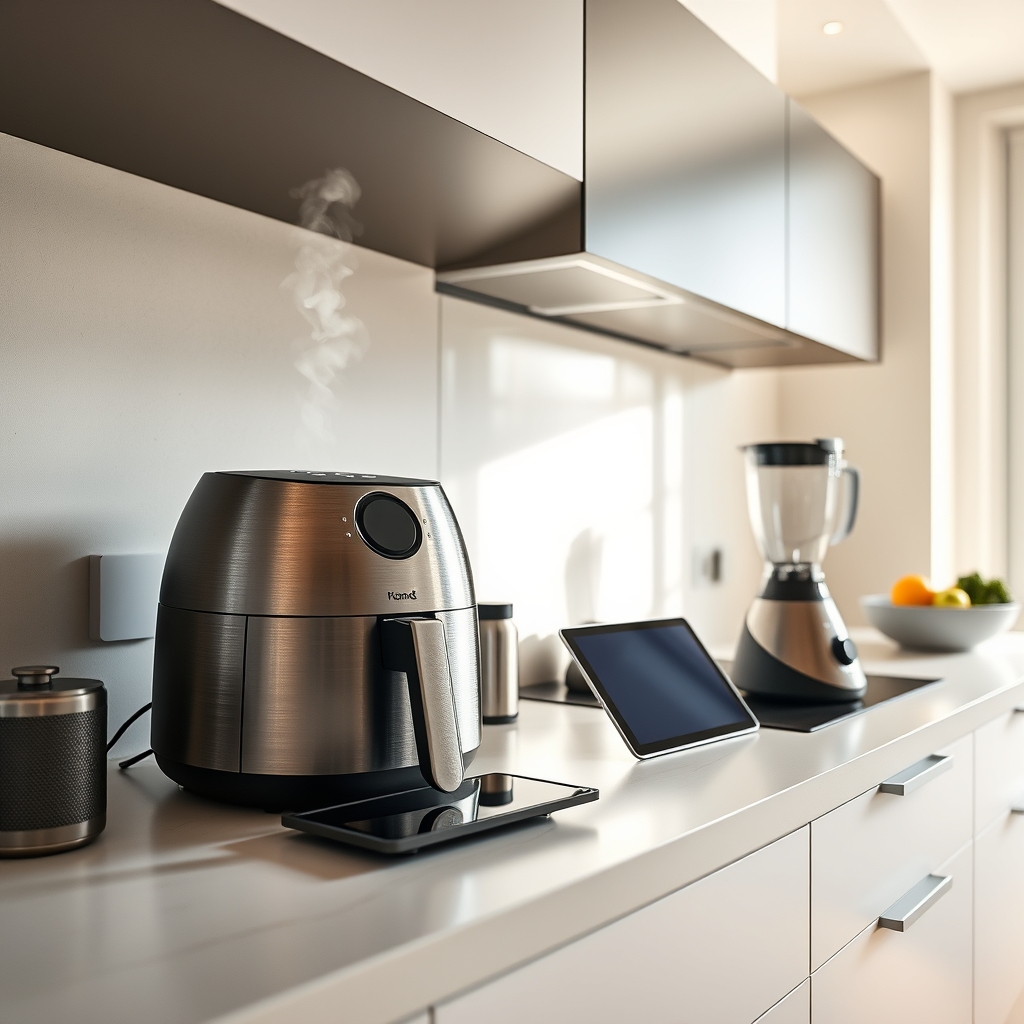
Urban renters and compact-living households are driving this boom—small countertop appliances are no longer novelties. Models like multi-cookers, air fryers, and compact blenders are staples in 1–2 bedroom apartments where every inch counts and appliances have to pull double or triple duty.
Smart controls and app integrations are now expected in the $150+ price band, but many buyers still prize reliable basics: easy cleaning, durable builds, and no risky privacy tradeoffs. Space-saving kitchen appliances are now designed to blend in, not just fit in.
Top pain points apartment cooks report (and how to avoid them)
The reviews don’t lie—buying small appliances for apartment use isn’t just about size or features. Verified users list the same gripes, and you can avoid almost all of them with smart filters.
- High upfront price: Many space saving kitchen appliances jack up the price for smart connectivity. Set a budget ceiling and check if the “smart” functions save time daily or are just a gimmick.
- Limited/awkward capacity: Some compact models sacrifice real usable space—check quart/liter capacity and read user comments for “good for one person only” warnings. Go up a size if you cook for 3+.
- Cleaning hassles: Non-dishwasher safe baskets and awkward corners increase cleaning time. Always check for removable, flat pieces with real user photos.
- Noise: Fans in budget models can be louder than expected—if you cook early or late, check decibel ratings or user complaints about noise.
- Connectivity & privacy: Bluetooth or WiFi glitches and clunky apps top the list when brands rush their software. Read reviews for bugs and check privacy policy updates. Models that require an account or constant cloud connection raise the most privacy flags.[7]
- Evenness: Hot spots and burned edges are common in value models. Look for mentions of “even cooking” or “no rotating required.”
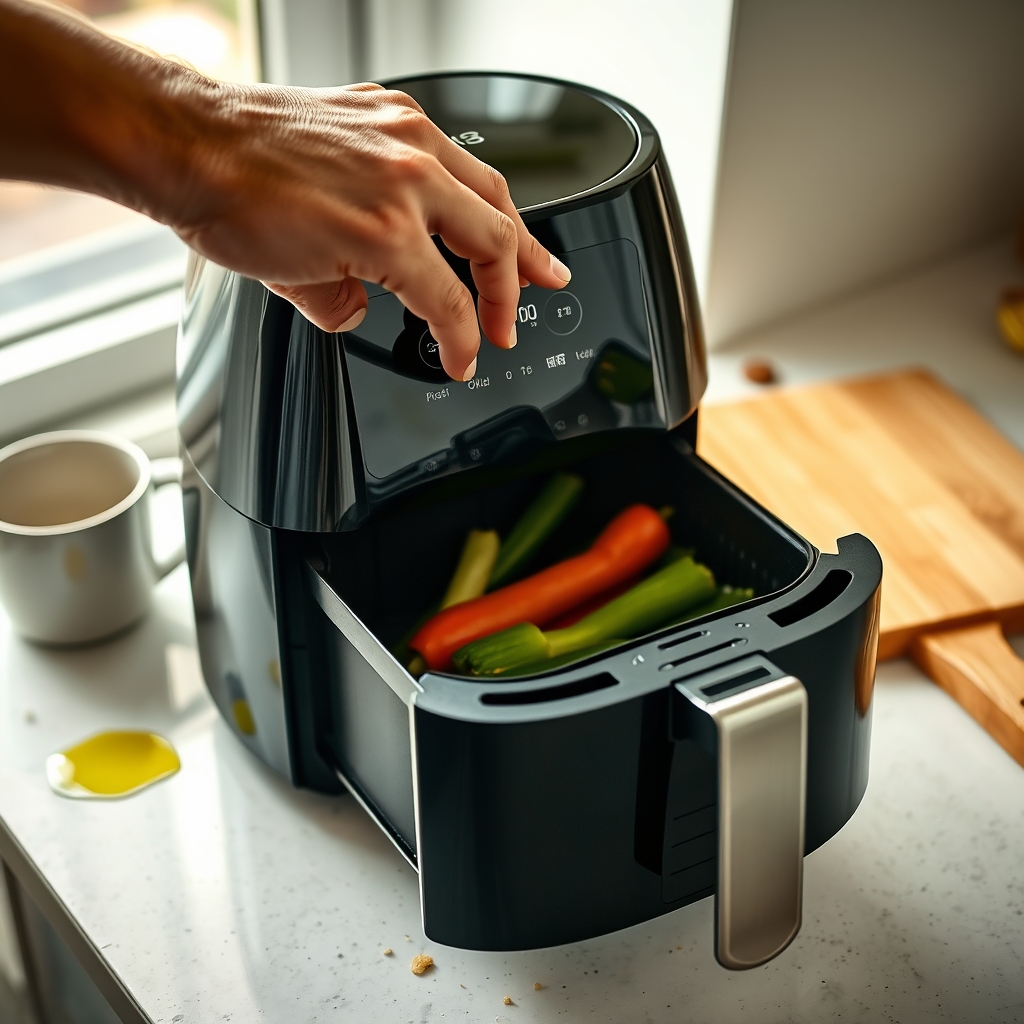
Bottom line: List your non-negotiables before shopping. For most apartment renters, that means prioritizing quick cleanup, quiet operation, and reliable app control—true space saving kitchen appliances respect your time, not just your counter.
For more on matching appliance size and function to your true apartment needs, see this buyer guide to air fryers or check our induction burner tips for small kitchens.
Compact air fryer head-to-head (quick buyer guide)
Air fryers anchor many best small kitchen appliances lists—but not all compact models play fair with size, features, or price. Here’s how top picks stack up for tiny kitchens and 1–3 person meals:
| Model | Capacity | Footprint | Price | Best For | Smart Features |
|---|---|---|---|---|---|
| Dash Compact | 1.2 qt | Very Small | $50-70 | Single serving | None (manual) |
| Ninja AF101 | 4 qt | Compact | ~$100 | Singles or couples | Basic digital |
| Cuisinart Compact | 2.6 qt | Small | ~$90 | Quality/finish | None |
| Our Place Wonder Oven | Multi-function (small family) | Still compact | ~$250 | Multi-mode, style | No true app |
| Ninja Flip Oven | 5 qt | Bulky | ~$250 | Family, versatility | Smart/connected |
Pick the Dash if you want to stash it in a drawer and rarely cook more than a single serving. Go Ninja AF101 for the best “apartment sweet spot”—good capacity without taking over your counter. Our Place Wonder Oven or Ninja Flip offer toaster oven, air fry, and bake in one, but demand more money and space.
For even deeper breakdowns by real cooks, see our ultimate air fryer buying guide and smart oven analysis.
Average price ranges by appliance type (what to expect)
Price transparency is another deciding factor for budget-conscious urban buyers. Here’s where typical compact and space saving kitchen appliances land in 2026:
- Good compact air fryers: $80–$200.
- Very small/budget models: $50–$70.
- Premium compact ovens/toaster ovens/multi-cookers: $150–$250+ (expect app features or voice compatibility at the higher end).
- Compact blenders/food processors: $40–$120 but expect fewer smart options.
“Smart” premiums are most common on multifunction ovens and multi-cookers. Basic WiFi or app integration often bumps the price by $20–$60. For most renters, reliable core features (easy cleaning, quiet) bring more actual value than “touchless” or cloud-based control you’ll rarely use.
Learn more about which smart kitchen appliances are actually worth their extra cost, especially if you’re upgrading other countertop appliances for a small kitchen.
For countertop induction burners (another top pick for apartment renters), see our induction burner guide.
Highest-rated compact smart categories for ease, cleaning & versatility
Research and verified reviews agree: three small kitchen appliances categories score highest for daily use and low-hassle cleaning in apartments:
- Mini air fryers: Single–double servings, fast to preheat, baskets often dishwasher safe. Minimal counter space. Great for snacks, proteins, leftover crisping.
- Compact multi-cookers: Models including rice, slow cook, sauté and pressure functions eliminate the “appliance pileup.” Look for real nonstick, removable pots. Bonus: delay timers and auto-warm features.
- Countertop ovens: The most versatile—toast, bake, air fry, and dehydrate. Some brands now offer app-controlled recipes and reminders (see our smart oven guide).
What smart features are actually helpful in compact spaces? Remote pre-heating, error alerts, or integrated recipe apps are practical bonuses. Skip models that demand a complicated account or weekly firmware updates—if the app is rated poorly or “disconnects often,” steer clear.
For a detailed look at functions available on smart multi-cookers, read our smart multicooker tips.
Actionable 7-point apartment-buyer checklist
Use this one-page list for shopping and comparing compact smart kitchen appliances that actually suit real apartment life:
- True footprint: Measure your available counter and storage area—don’t trust “compact” in the headline, look for real dimensions and photos in user reviews.
- Usable capacity: Can it cook a full meal for your usual household size?
- Removable/dishwasher-safe parts: The most important filter—check basket, pan, tray.
- Noise level: Below 60 dB is ideal; read reviews for “whiny fan” or “wakes up the house” complaints.
- Energy use: Compact models should draw less; look for wattage info and usage estimates.
- App reliability: Choose models with a 4-star+ app and avoid those requiring intrusive signups or always-on internet.
- Spare-parts & warranty: Pick brands that offer basket replacements and at least 1-year warranty. Repairability matters—see below for sustainability picks.

Cleaning and capacity are non-negotiable if you want to avoid time-wasting regrets. For specialized advice on blending cleaning-easy appliances with smart features, visit our smart dishwasher guide.
Search trends & competitor gaps to own in content
The smart-connected segment in compact kitchen gear is growing almost 17% each year[1]—but many review sites skip the practical, daily impact and the questions that cause real confusion.
- Ownership opportunity: Build content around “compact + smart” reviews—not just specs, but cleaning, capacity, noise, and actual app user experience.
- Editorial trend: Focus on privacy, app reliability, and repairability, not just performance. These areas show unmet reader demand and low competition.
- Fast-rising FAQ focus: Real-world usage cost (electricity), data privacy, firmware support, and sustainability/repairability are missing from many leading buying guides.
How much electricity does a compact air fryer actually use per meal?
Most compact air fryers (1200–1600W) use about 0.3–0.5 kWh per 20-minute session. At an average US residential rate (~$0.17/kWh), that’s 5–8 cents per use—far less than a typical oven or even many microwaves. Over a month of daily use, expect $1.50–$2 in electricity for a solo apartment cook. Always check spec sheets for wattage and calculate based on your area’s rates.[6]
How do firmware updates, data privacy and app reliability affect long-term use?
Brand “smart” features can become liabilities if the app is buggy or the brand stops updates. Privacy-wise, beware of required logins or “always on” cloud connections tracking cook data. Choose appliances that allow offline use and basic functions without the app. Read privacy policies—serious brands disclose what’s collected. App store ratings also reveal if users experience major disruptions after firmware updates. Hardware like AI oven models often get the most frequent software patches—great if you want innovation, bad if you prioritize simplicity.
Which compact appliances offer modular/replaceable parts for longevity?
Brands like Ninja, Cuisinart, and Breville often stock replacement baskets, racks, and trays for their top-selling air fryers and countertop ovens. Modular builds—appliances designed so heating elements and trays can be swapped—are more sustainable and increasingly popular in the best small kitchen appliances category. Fewer models under $100 offer this yet, so check parts on the manufacturer’s website before buying (avoid “sealed” single-piece builds).
Conclusion
Apartment living demands smart choices for small kitchen appliances—saving space, time, and money without compromise on cleaning or privacy. Review verified user pain points, compare the real capacity and energy use, and select models or categories that fit your daily cooking lives instead of impulse trends.
Smart, compact, and easy-to-clean should be your filter before paying app-connected premiums. Visit our curated guides above to see which small kitchen appliances will actually make apartment life simpler—and avoid buyer regret. Ready to shop? Start with models built for your real needs.
FAQ
What is the ideal capacity for a compact air fryer in an apartment kitchen?
For one to two people, 2–4 quarts hits the sweet spot. Single-serve baskets (1.2 qt) save space but are too small for most meals, while 4-5 qt can handle small families. Double-check measurements for your counter and cooking needs.
Do compact smart kitchen appliances really save energy compared to full-size models?
Yes. Most compact small kitchen appliances use less electricity per meal than full-size ovens or ranges—often by 30% or more, especially on short cycles like air frying or toaster oven bakes.
How can I quickly identify if a small appliance is hard to clean?
Look for “dishwasher safe” claims in specs and user reviews. Avoid units with tricky heating element placement or non-removable baskets. Photos from real buyers help spot poor designs.
Are smart kitchen appliances safe from privacy risks?
Most major brands are secure, but always review the privacy policy. Avoid gadgets that demand internet-only functions. Choose appliances that work offline and don’t require social media logins or cloud accounts for basic features.
How do I find replacement parts for small kitchen appliances to extend their life?
Search the manufacturer’s site or major retailers for your model number. Brands like Ninja, Breville, and Cuisinart usually offer baskets, trays, and filters. Modular designs are increasingly popular but check before buying.