

Smart refrigerator adoption is rising among homeowners and busy families, not just because of high-tech features but due to real, measurable savings in cost and food waste. If you’re deciding whether a smart fridge genuinely delivers on ROI, this guide cuts through the hype—sharing hard data, user-reported results, and what tradeoffs matter for your household.
Key Takeaways
- Smart refrigerators offer measurable food-waste and cost reductions, but actual results depend on inventory tracking, user habits, and hardware reliability.
- Common frustrations—like misidentification by cameras and privacy concerns—can reduce real-world ROI. Awareness is essential for a smart purchase decision.
- Buyers should scrutinize product features, pricing strategies, and integration with their smart home to balance up-front investment against actual food-savings benefits.
- Market snapshot and adoption by region
- How smart/AI refrigerators actually reduce food waste (what real users report)
- Top consumer frustrations that undermine food‑waste goals
- Comparing leading models (including FoodView) on real-world effectiveness
- Pricing tiers, subscriptions, and feature differentiators to watch
- Technical requirements, onboarding timeline, and common integration issues
- Three subtopics most competitors skip
- Emerging features & 90‑day breakout trends to watch
- Advanced Analysis & Common Pitfalls
- Conclusion
- Frequently Asked Questions (FAQ)
Market snapshot and adoption by region
The smart refrigerator and AI refrigerator markets are surging worldwide, with a combined global value forecasted at $8.39 billion in 2026 and expected to reach $12.31 billion by 2030—a compound annual growth rate of around 10% (Smart Refrigerators Market Overview).

Regional breakdowns show:
- Asia-Pacific holds 36% of the market, fueled by urbanization, rising incomes, and robust IoT adoption (source).
- North America represents about 33%, led by smart home infrastructure and premium appliance adoption (Fortune Business Insights).
- Europe is the fastest-growing region, thanks to energy efficiency rules.
The focused AI refrigerator segment is smaller but rapidly growing: $1.2 billion (2023) to a projected $3.8 billion by 2032 (13.5% CAGR) (Designing Buildings).
For buyers, this means that platform support, new features, and regular software updates are more likely in regions with dense uptake and established ecosystems.
How smart/AI refrigerators actually reduce food waste (what real users report)
One of the biggest promises of both the best smart refrigerator options and true AI fridges is helping families reduce spoiled groceries and plan meals more efficiently. Here’s how users actually see improvements—and where the tech falls short:
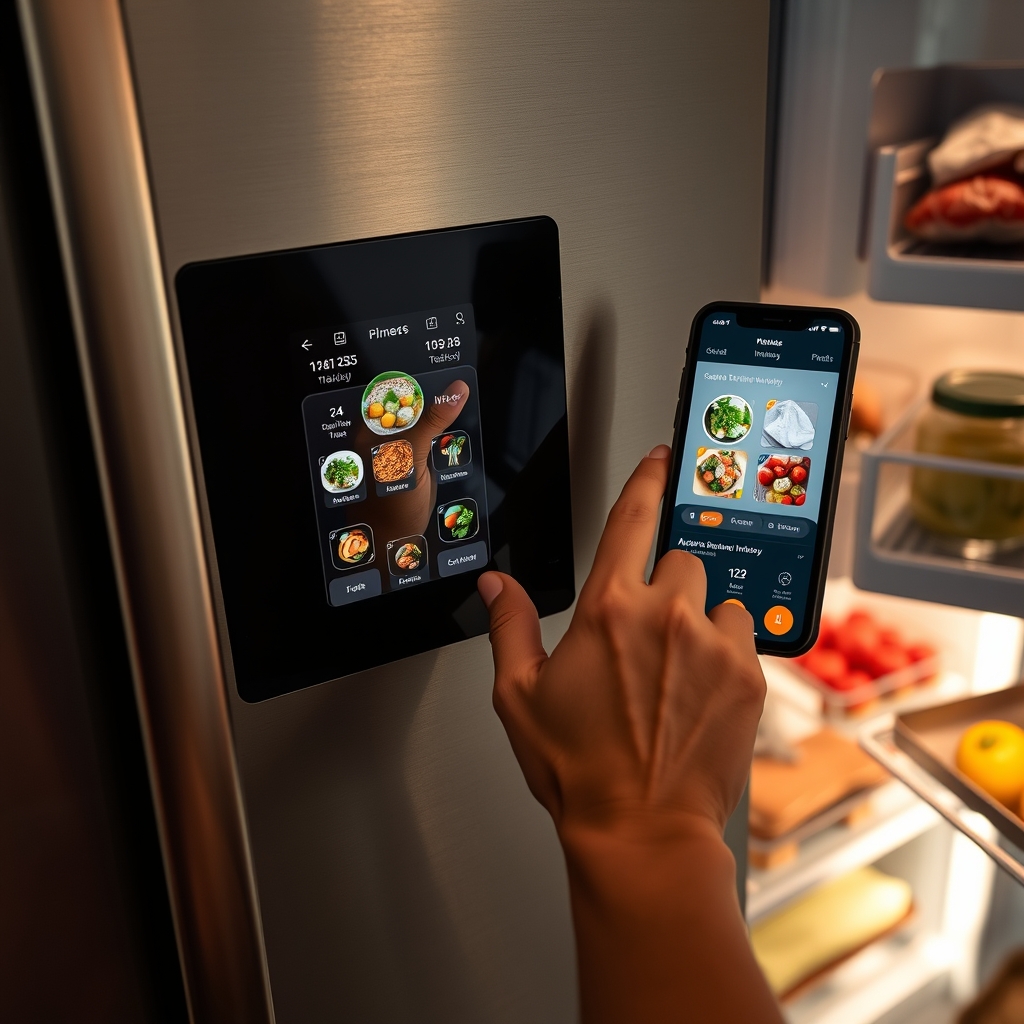
- Inventory tracking: Cameras and sensors catalog what’s inside, so you can check contents anytime from your phone, even at the store.
- Recipe suggestions: AI recipes use what you have and recommend meals before ingredients expire. Several models, like Samsung Bespoke AI and FoodView fridge series, automate this.
- Remote checks: App-controlled fridges help busy parents avoid duplicate purchases or missed items.
However, real-world testing frequently uncovers weak spots. GoodHousekeeping notes that while the AI camera “automatically tracks” contents and recipes, “tracking isn’t always perfect”—missed scans or mislabelling can let food spoil unnoticed (Good Housekeeping Review).
Some studies and user logs suggest modest spoilage reduction (5-15% in reported weekly food waste), but hard, independent numbers over a 6-to-12 month period remain scarce. If you’re searching for the best quantifiable gains, demand data from manufacturers (or look for anecdotal Reddit/YouTube longitudinal reviews).
You can also explore the best smart kitchen appliances of the year for broader meal-prep ecosystems. Pairing a smart fridge with compatible appliances (like a smart AI oven or smart dishwasher) improves overall household efficiency.
Top consumer frustrations that undermine food‑waste goals
Despite impressive features, some “smart” fridge behaviors can undercut food waste savings. The major pain points reported by reviewers and users are:
- Inventory mistakes: Misidentification, missed items, or expiration dates not updating cause users to ignore app alerts or cook based on incomplete info—leading to avoidable spoilage.
- Wi-Fi and notifications: Many users experience spotty Wi-Fi stability, delayed notifications, or app updates that break compatibility. App controlled fridge features are only as helpful as their uptime.
- Hardware gripes: Unconventional handles, slow ice makers, and finicky trays frequently frustrate owners (Forbes review).
- Privacy: 68% of buyers are worried about camera and cloud-database privacy in 2025, especially as brands collect inventory and usage data (Markets and Markets Report).
Each issue affects your potential savings—inaccurate inventory means waste, while clunky hardware and privacy anxiety can lead to buyers disabling smart features entirely.
If you care about reliability, compare “refrigerator with camera” reviews side by side, and focus on how the app controlled fridge handles real-world interruptions, not just lab test conditions.
Comparing leading models (including FoodView) on real-world effectiveness
To compare food-waste reduction across different smart fridge platforms, focus on three areas:
- Inventory tracking accuracy: Samsung’s Bespoke AI, LG ThinQ, and FoodView fridge models all claim improved food recognition via upgraded internal cameras. Independent testers report meaningful progress, but still find occasional misses—especially with unlabeled or bulk produce not detected.
- Meal-planning quality: FoodView and LG’s new ThinQ updates bake smarter recipe suggestions into their apps, incorporating both what you have and smart expiration predictions.
- Spoilage-reduction data: While Samsung and LG highlight eco-savings and AI learning at events like CES 2025, there is little hard data on exactly how much less food households waste year-over-year. Most reviewers base their metrics on short tests or anecdotal reporting.
Always look for third-party study links (or long-term user forum testimonials) when searching for evidence on spoilage reduction. Ask manufacturers directly for studies—if they can’t provide them, rely on qualitative evidence from communities like Reddit or trusted appliance forums.
For in-depth reviews and buying guides, see our resources on air fryer reviews or induction stove guide—they show similar ROI comparison approaches you can use for your fridge purchase.
Pricing tiers, subscriptions, and feature differentiators to watch
Not all smart refrigerators are priced—or equipped—equally. Understanding real long-term costs is essential before committing:
- Base models: Typically offer Wi-Fi, basic app integration, and sometimes interior cameras, but may lack advanced AI or cloud analytics.
- Premium tiers: Include features like FoodView cameras, AI Vision, cloud-powered meal planning, and often require monthly or annual subscriptions for “pro” features and updates.
- Subscription models: Growing numbers of app controlled fridge brands use the subscription model for software updates, grocery integration, or premium recipes—check what is free vs. paid ahead of time.
To estimate your break-even, compare the price difference (often $700-$1500) versus your average monthly food-waste cost. For example: if your family wastes $800/year on spoiled groceries, a premium AI refrigerator that truly cuts waste in half could pay for itself in 18–24 months—but only if you consistently use its smart features.
Explore our analysis of cookware for induction and other high-ROI appliances to see how various price tiers affect overall savings and usability.
Technical requirements, onboarding timeline, and common integration issues
Smart refrigerators rely on rock-solid Wi-Fi and tight integration with other smart devices:
- Wi-Fi stability: Some users enjoy easy pairing (see GoodHousekeeping’s seamless Wi-Fi setup report), while others deal with dropped connections or regional cloud interruptions—especially if internet speeds are inconsistent.
- Smart home ecosystem: Samsung SmartThings, LG ThinQ, Apple HomeKit, and Google Home all offer varying levels of support—regional platform support matters.
- On-boarding: Most users can unpack, connect, and integrate a smart refrigerator with their home in about 25–45 minutes. However, full setup (app installs, privacy settings, family sharing) can take another 1–2 hours, especially for those managing multiple user profiles.
- Privacy setup: Always review what the refrigerator with camera is uploading to the cloud. Adjust settings for camera access, usage statistics, and inventory tracking according to your comfort level.
If you have spotty Wi-Fi or an unusual home network, check the manufacturer’s requirements up front. For a deeper dive into device compatibility, review our guide to the best induction burners—the same integration mindset applies to “whole kitchen” upgrades.
Three subtopics most competitors skip
1. How to measure long-term spoilage reduction and ROI
Few buyers actually track pre- and post-fridge food waste. If you want a clear ROI, log your weekly grocery expenses and photograph food trash before and after switching. Even a simple spreadsheet can quickly reveal whether that smart fridge (or FoodView fridge model) is reducing waste and saving money in the real world.
2. Privacy/data-use cost-benefit analysis
Most buyers don’t read the data policy until it’s too late. Find out who owns your inventory/photo data and how it’s used for advertising or analytics. 68% of consumers surveyed in 2025 are worried about this. The value of predictive suggestions may not justify the sharing of detailed household data if privacy is a concern.
3. Maintenance/recalibration for AI recognition accuracy
Over months or years, food-recognition AI can drift—mislabeling new packaging styles or changing lighting conditions. Set quarterly reminders to update firmware and review manual item corrections, so the smart fridge for meal planning doesn’t sabotage its own advantage.
Emerging features & 90‑day breakout trends to watch
Recent product launches (CES 2025) from Samsung and LG are a preview of where AI refrigerator tech is headed:
- AI Vision and improved food recognition: The upcoming Samsung Bespoke AI and LG ThinQ updates are doubling down on identifying more types of packaging and unlabeled foods accurately.
- Automated meal planning: Fridges are getting better at not just tracking food, but predicting what you should cook and when, to avoid waste entirely.
- Energy management: Advanced models now integrate with whole-home smart grid features—optimizing power use as much as food freshness.
The smart refrigerator market is accelerating its move into premium features, reflected in a strong 13.5% CAGR for AI refrigerators. Expect even deeper ecosystem integration and smarter predictive analytics in the next year (Maximize Market Research).
Looking to future-proof your kitchen? See our smart oven buying guide for examples of how these trends cross into other categories.
Advanced Analysis & Common Pitfalls
The promise: Real ROI from food-waste savings and convenience. The reality: It depends on daily use, integration, and reliability. Here’s a look at what works and what consistently undermines buyer value:
| Feature/Factor | Benefit | Real-World Pitfall |
|---|---|---|
| Inventory Tracking (AI Camera) | Remote checks, recipe prompts | Missed items, bulk produce not detected |
| Meal Planning (App) | Uses on-hand food, waste reduction | Suggestions repetitive/irrelevant |
| Hardware Design (Handles, Ice) | Modern aesthetics, extra features | Harder to open; slow or noisy ice |
| Wi-Fi/Notifications | Remote monitoring, alerts | Delayed alerts, dropouts |
| Privacy and Data | Cloud AI improvements, convenience | Data sharing, 68% express concern |
On balance, buyers see the highest gains when they:
- Combine manual checks with automated tracking.
- Stay on top of app updates and privacy settings.
- Choose models from brands with strong support in their region.

Conclusion
The smart refrigerator market is maturing, with premium features driving both excitement and skepticism. If your goal is measurable food waste reduction and time-saving meal planning, choose a model that provides crisp inventory tracking, reliable ecosystem integration, and transparent data policies. Actual ROI comes from buying a smart refrigerator you’ll fully use—not just admire.
Ready to cut food waste and reclaim kitchen sanity? Compare your current annual waste to potential savings, review real-world user feedback, and don’t be afraid to ask brands for solid data before you buy.
Frequently Asked Questions (FAQ)
Can smart refrigerators really lower my grocery bill?
Many users report that smart fridges help reduce food waste by 5-15% through expiry tracking and meal suggestions, which can trim monthly grocery bills. However, results depend on inventory accuracy and consistent use of digital reminders.
Is the privacy risk with refrigerator cameras and app integration real?
Yes. About 68% of surveyed buyers in 2025 had privacy concerns related to inventory/camera data being uploaded to the cloud. Always read the privacy policy and set your camera/data-sharing preferences before setup.
What happens if Wi-Fi goes out—will my fridge still work?
Basic refrigeration always continues even if Wi-Fi fails, but you’ll lose remote access, live inventory updates, and some smart features until connectivity resumes.
Are subscriptions required for all premium smart refrigerator features?
Not all, but many high-end models require a subscription for advanced meal planning, cloud-based analytics, or expanded recipe access. Always check what is included vs. paid before buying.
How do I know which smart fridge integrates with my home ecosystem?
Most brands indicate compatibility (SmartThings, ThinQ, HomeKit, Google) on their product page. Review tech specs and user reviews in your region for best results.