

Smart coffee maker adoption is exploding among tech-forward coffee enthusiasts seeking reliable, scheduled, and connected home brews—but does Bluetooth or WiFi control actually deliver on app performance and real-world consistency? If your mornings depend on automated routines and you demand more than just flashy features, this guide exposes what works, what breaks down, and how to buy for true reliability.
Key Takeaways
- WiFi coffee makers now command over 50% of Connected Coffee sales and are projected to reach $786 million by 2033, but real-world reliability varies widely.
- Connectivity dropouts, buggy apps, flawed scheduling, and design quirks are the leading reasons tech-savvy buyers regret their smart coffee investment.
- Performance, security, and maintenance are just as critical as features—especially for buyers expecting Alexa or Google Home integration and consistent, scheduled brewing.
- Market snapshot — why this category matters now
- Top 5 real-world frustrations with app-integrated coffee makers
- How leading models compare (tech specs, scheduling, grinders, apps, price)
- Measurable performance differences buyers should test/ask about
- Security & privacy risks (concerns + buyer checklist)
- 3 important user questions page‑one competitors are overlooking
- Trending features & search momentum to watch (90‑day signal)
- Conclusion
- FAQ
Market snapshot — why this category matters now
The smart coffee maker market is expanding rapidly. According to extensive industry research, the global intelligent coffee maker segment was worth approximately $6.8 billion in 2025 with an expected growth to $14.2 billion by 2034 at an 8.5% CAGR. The specific smart-coffee-maker segment built around WiFi and app control accounted for about $477 million in 2025, forecast to reach $786 million by 2033 (6.4% CAGR for 2026–2033). Notably, WiFi-enabled devices are expected to capture as much as 53.2% of revenue share in 2025, with North America leading the adoption and Asia-Pacific growing rapidly via urban, younger buyers seeking premium coffee routines at home. [Source] [Market stats]
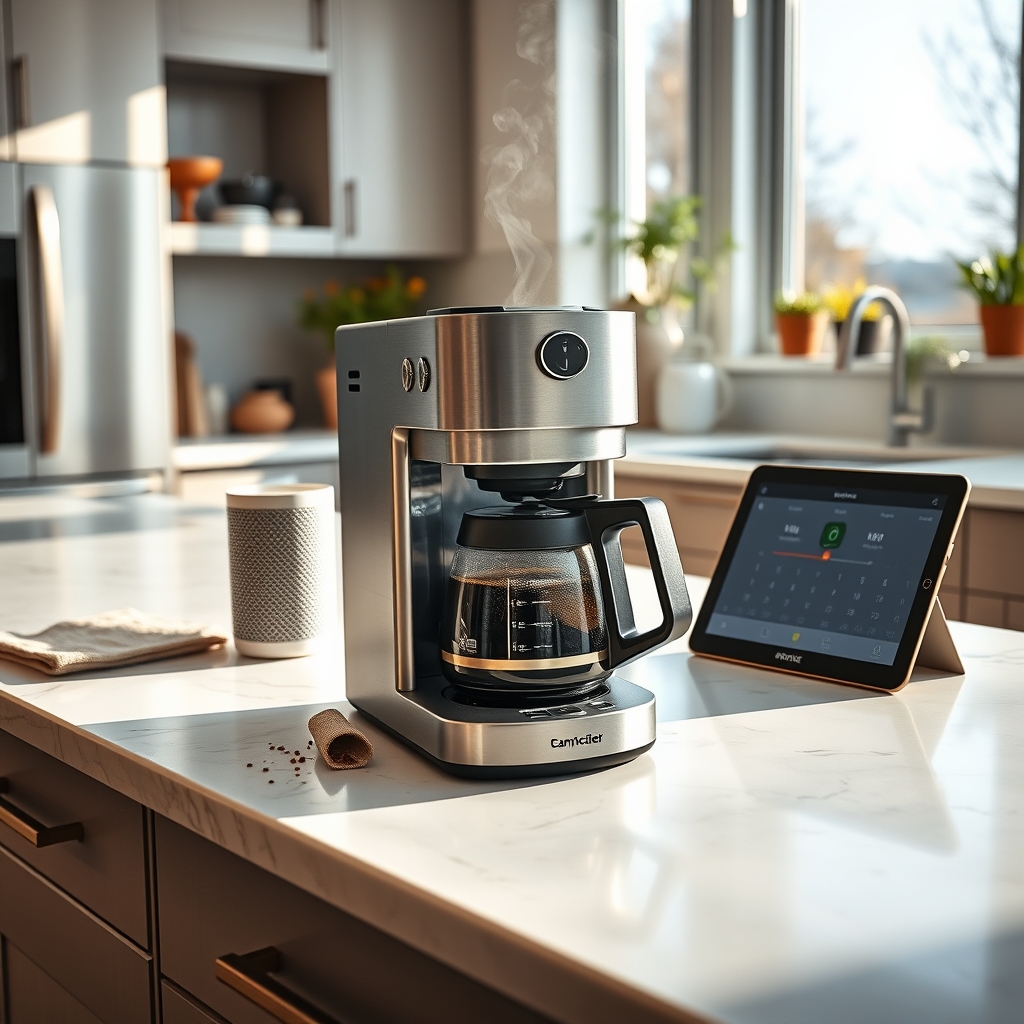
Why does this surge matter for real buyers? Demand is strongest among busy professionals integrating Alexa or Google Home into their morning routines, willing to pay for push-button convenience, hands-off scheduling, and powerful customization—smart kitchen appliances as a whole are trending for similar reasons. But as the market balloons, the gap widens between smart coffee makers that actually deliver reliable, consistent voice/app-enabled brews and those that frustrate with buggy software and untrustworthy connectivity.
Top 5 real-world frustrations with app-integrated coffee makers
The promise is hands-free, automated cafe quality—set it and forget it. Yet across buyer reviews, Reddit, and smart home forums, five problems consistently erode trust and satisfaction:
- Connectivity drop-outs (WiFi or Bluetooth) cause app commands to time out and recurring schedules to fail. This is especially prevalent with certain entry-level app controlled coffee machines.
- Missed or inaccurate scheduling: Even “best” models can skip a scheduled brew or run hours off the programmed time. This kills the smart coffee maker scheduling benefit for those who rely on precision.
- Laggy or clunky companion apps: Many supplied apps are poorly designed, with slow response (over 2 seconds for common commands) and unintuitive interfaces, leading users to ditch app control after initial novelty wears off.
- Non-removable water reservoir: Units like the Keurig K-Supreme Plus and many others make cleaning nearly impossible, causing accumulation of mold, odors, and minerals over time. User reviews call this a “major design flaw.”
- Erratic firmware updates: Device updates sometimes reset every preference or break integrations—an ongoing problem in smart appliances. Users describe losing schedules or finding a favorite brew setting has vanished overnight.
These failures appear in both budget models and $500+ machines, so research carefully before buying solely for Alexa or app bragging rights. As with smart ovens and smart dishwashers, the “smart” label does not guarantee real-world reliability.
How leading models compare (tech specs, scheduling, grinders, apps, price)
Which models hold up best for daily use? Here’s a rapid comparison of the best smart coffee maker with app and integrated grinder options in the $150–$800 band. Consider the following attributes when you shop (see table):
| Model | Grinder | Brew Modes & Temp | Scheduling & App | Voice Assistants | Reservoir Design | Approx. Price (USD) |
|---|---|---|---|---|---|---|
| Keurig K-Supreme Plus Smart | Pod only | 5 strength, 6 temp | WiFi/app, schedules, Google, Alexa | Alexa, Google | Non-removable | 180-220 |
| Café Specialty Drip | None | SCA Gold, presets | App (SmartHQ), voice control | Alexa, Google | Removable | 280-350 |
| Hamilton Beach Smart | None | Basic, single/double | Alexa direct, app via Alexa | Alexa only | Removable | 95-140 |
| Spinn Pro | Integrated burr | Espresso, drip, cold brew | App (Spinn), schedules | Alexa, Google | Non-removable | 799 |
| Atomi Smart WiFi | None | Regular/strong | App, schedules, Alexa | Alexa only | Removable | 90-130 |
| iCoffee Remote Brew | Integrated burr | Multi mode | App, schedules | Google, Alexa | Removable | 240-290 |
Key findings: The Keurig K-Supreme Plus stands out for scheduling, temperature, and voice integration but is let down by a non-removable reservoir and mixed app feedback. Spinn Pro and iCoffee deliver true grinder integration, but both get complaints around app bugs and firmware quirks. Atomi Smart is the most reliable among lower price models for WiFi brewing, with particularly stable temperature performance according to PCMag and Coffeeness. No single option is perfect—review your priorities against this list, especially if you’re also comparing other smart kitchen appliances for home.
Measurable performance differences buyers should test/ask about
Beyond features, proven day-to-day performance makes or breaks a smart coffee maker. Key metrics to verify (in lab reviews or retailer demos):
- Brew consistency: Are back-to-back cups the same strength? Look for SCA Gold certification or reviewers testing TDS (Total Dissolved Solids) on higher-end machines. (Spinn, Café, and Keurig highest rated here.)
- Temperature stability: Devices with advanced temperature control yield better extraction and taste. Atomi and Keurig tested among the most stable in multiple external user reviews.
- App response: Real responsiveness is under 2 seconds for basic commands. Some makers’ apps can lag 3–5 seconds on WiFi or 7+ seconds on Bluetooth, especially after firmware updates.
- Scheduling accuracy: The most frequent frustration is a missed morning brew. Always test if you can trigger a scheduled cycle with the WiFi (app controlled coffee machine) while WiFi is under load. Atomi and Café have the fewest complaints here; Keurig shows occasional skipped scheduling after firmware changes.
- Grinder-integration reliability: For the best coffee maker with grinder, check grinder maintenance demands, cycle noise, and if the system defaults to pre-ground if the grinder binds or jams. 31% of R&D now targets noise reduction, making this a priority for buyers sensitive to early-morning grinder sounds.
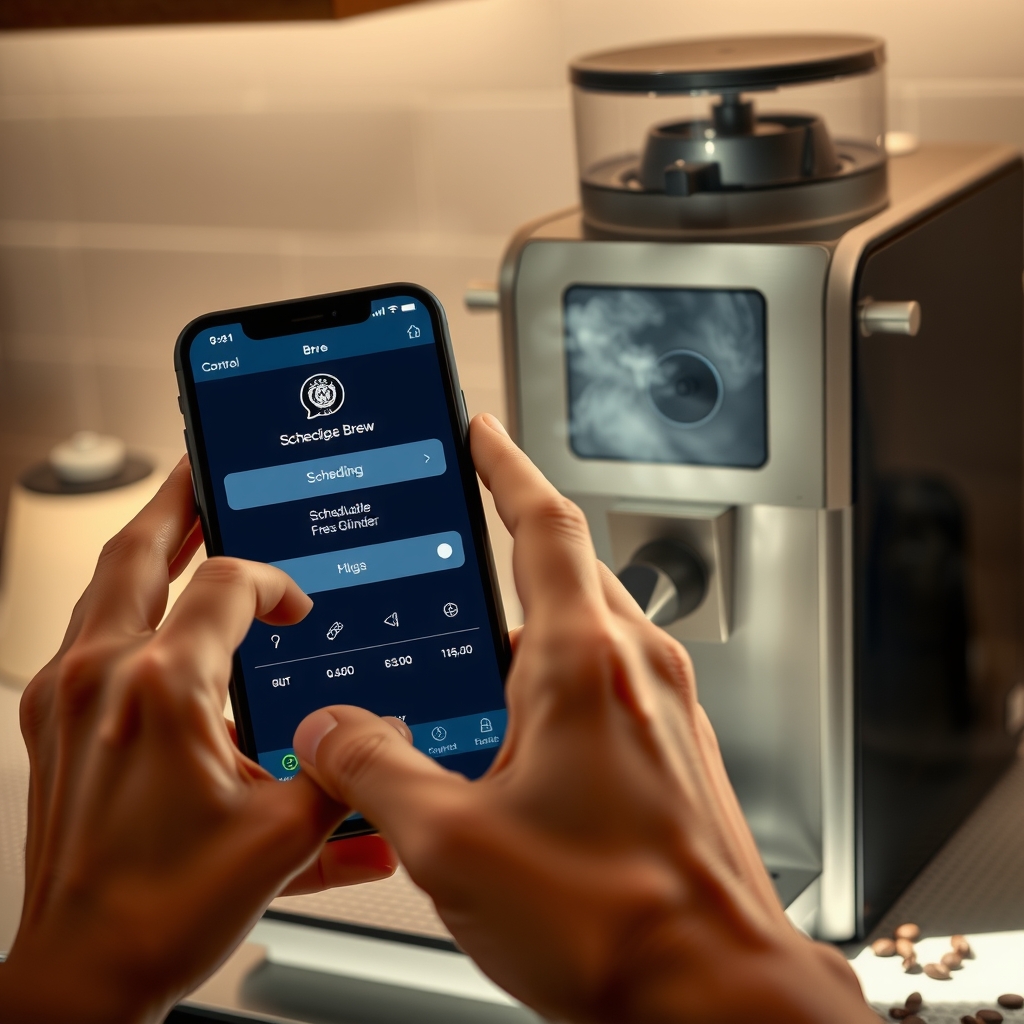
For truly silent or advanced smart kitchens, consider how noise and temperature precision also affect overall coffee routine satisfaction.
Security & privacy risks (concerns + buyer checklist)
Bringing a WiFi coffee maker 2026 model into your home isn’t risk-free. With more than half of all new models relying on WiFi cloud control, the attack surface for vulnerabilities increases:
- LAN exposure: Many coffee makers sit on the same WiFi as laptops or smart locks, and poor security (weak passwords, no network segmentation) could offer a path for hackers.
- Cloud authentication/updates: Some apps transmit credentials insecurely or fail to hash passwords. Firmware updates can bring unwanted changes or reset settings—and not all brands disclose full logs.
- Data collection: App controlled coffee machines might log brewing behavior to the manufacturer. Carefully review privacy statements if this matters.
How to reduce real-world risks?
- Always use a unique, strong password for the app account.
- Place your smart coffee maker on a guest or IoT VLAN, separate from sensitive devices.
- Check if you can disable remote cloud control and use local LAN only (advanced user tip).
- Before buying, demand to see the vendor’s policy for firmware rollback in case updates break key features.
Given the WiFi segment’s 53.2% revenue share in 2025, you’re not alone in this risk landscape. Consider these best practices equally for other WiFi appliances across your smart home. For more see: Credence Research.
3 important user questions page‑one competitors are overlooking
Most “best smart coffee maker with app” roundups miss the real-world make-or-break factors. Here are three critical issues you should always research before buying:
- Long-term reservoir maintenance and hygiene: Non-removable reservoirs (Keurig K-Supreme, Spinn Pro) are difficult to descale and prone to mold. User reviews slam this as a “major design flaw” and prefer removable reservoirs for easier, safer cleaning and filling.
- Firmware/update policy and rollbacks: Sudden updates can erase user settings or even break Alexa/Google integrations. Before buying, check if the manufacturer allows rollback or at least advance notice for disruptive updates.
- Grinder maintenance, noise, and scheduling reliability: For the best coffee maker with grinder models, read deep-dive reviews on how often the grinder has to be disassembled or cleaned, typical decibel ratings, and whether a grinder jam will silently ruin your morning routine. Industry data notes that 31% of current product innovation is in noise abatement—directly responding to these user pain points.
For even more on keeping appliances hygienic and maximizing longevity, compare notes with our ice cream maker cleaning tips or see air fryer maintenance guides.
Trending features & search momentum to watch (90‑day signal)
Recent months show a clear swing in buyer searches and R&D:
- Demand is rising fastest for advanced scheduling automation—calendar-level routines, not just on/off.
- Integrated grinders with noise-reduction and auto-rinse/maintenance cycles are now core decision drivers for $300+ buyers.
- Richer app customization (fine-grained temp/strength tweaking), voice routines, and linked “good morning” scenes in Alexa/Google Home now separate the top tier from the rest.
Industry data shows about 31% of product innovation is in noise reduction, while 27% target even finer temperature control—two areas previously overlooked and now hotly requested by advanced home brewers. This matches movement in other categories—see our roundup on compact kitchen appliances and the latest smart refrigerators—for similar feature momentum.
Conclusion
Today’s smart coffee maker segment delivers dramatic flexibility for tech-savvy, time-pressed coffee lovers—but only a handful of models offer the reliable, app-driven routines real smart homes demand. Study reviews for authentic scheduling accuracy, temperature control, maintenance needs, and app reliability. Focus on removable reservoirs, strong security defaults, and grinder maintenance if noise or schedule is critical for your home. If consistent, programmable brews (not “smart” gimmicks) make or break your routine, use this guide to sidestep hype and buy the right smart coffee maker for real-world, daily ROI.
Ready to upgrade your connected kitchen? Shortlist your favorites, compare them against the performance points above, and always test before you trust. Want more smart appliance tips? Explore our full smart kitchen appliance guide here.
FAQ
Are smart coffee makers worth the premium over a programmable model?
If you value real-time app control, voice assistant routines, or scheduled brewing that syncs with your smart home, a smart coffee maker can be worth it. Just be sure the model you pick is proven for reliable scheduling and app updates—otherwise, a quality programmable model may offer better consistency for less money.
Why do some smart coffee makers miss their scheduled start times?
The scheduling sync depends on both the app/server and local WiFi stability. Power outages, router reboots, or app bugs can cause a missed or delayed brew. Testing the time accuracy during your setup—and after any firmware update—helps catch these issues early.
How do I keep the water reservoir clean if it’s not removable?
It’s tricky. Use filtered water to reduce scale, and run a descaling cycle monthly. Let the tank dry between uses, and clean all reachable surfaces with a narrow brush. Avoid models with sealed or non-removable reservoirs if hygiene is a priority.
Can I control my smart coffee maker offline?
Most models need WiFi and cloud access for app control, but some (like older Alexa routines or Bluetooth models) may allow limited local scheduling. For privacy and security, look for a machine with LAN-only mode or clear privacy settings if you want to limit cloud connections.
Which models offer genuinely quiet grinder performance?
The best coffee maker with grinder options now often highlight noise levels as a selling point. Look for reviewer decibel measurements and machines advertising noise-abatement design. Spinn and newer iCoffee models, for example, have noticeably improved quiet grinder performance vs older machines.